
Latest Blog Posts

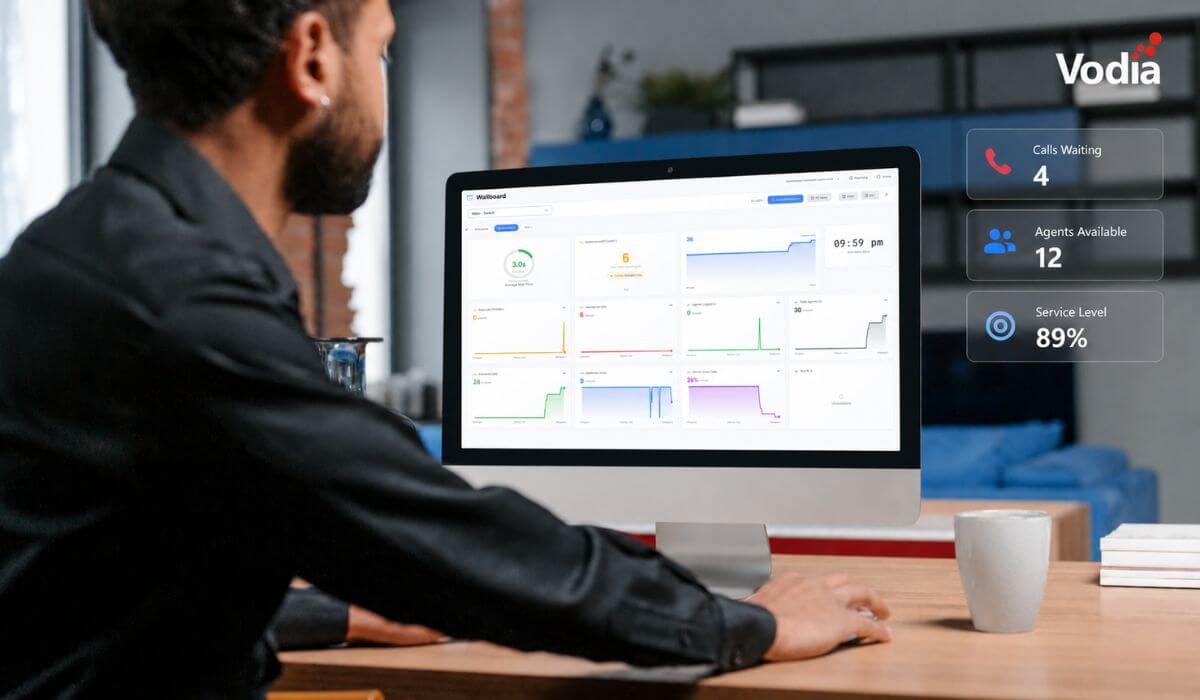
Vodia PBX V70: New Admin Interface, AI Voice Agents, and Scalable Multi-Tenant Performance

Vodia PBX V70 introduces a redesigned admin interface, multi-core scalability supporting more than a thousand concurrent calls per server, and integrated AI voice agents for both inbound and outbound communication. Reusable AI templates make automation easier to deploy, while snapshots and centralized provisioning reduce operational risk. With custom dashboards, emergency alerts, and WhatsApp Business integration, V70 provides greater control and flexibility for real-world deployments.

March 19, 2026

The Vodia PBX Now Integrates with Jitsi Meet

The Vodia PBX now integrates with Jitsi Meet, bringing secure, self-hosted video conferencing directly into the web portal. Users can launch meetings with a single click, while built-in features like JWT-based authentication, automatic room creation tied to extensions, and controlled guest access ensure a seamless and secure experience. By combining voice and video within one system, businesses and service providers gain greater control over their communication environment, reduce reliance on external platforms, and scale more efficiently.

March 18, 2026

The Vodia Cloud Phone System Integrates with efficy CRM

The Vodia PBX now integrates with efficy CRM, enabling organizations to connect their phone system directly with their customer relationship management platform. Incoming and outgoing calls can automatically identify contacts, display caller information in real time, and provide direct access to contact records within the CRM. By combining telephony with customer data, the integration helps teams respond more efficiently, log interactions automatically, and maintain accurate customer information within their existing workflows.

March 12, 2026

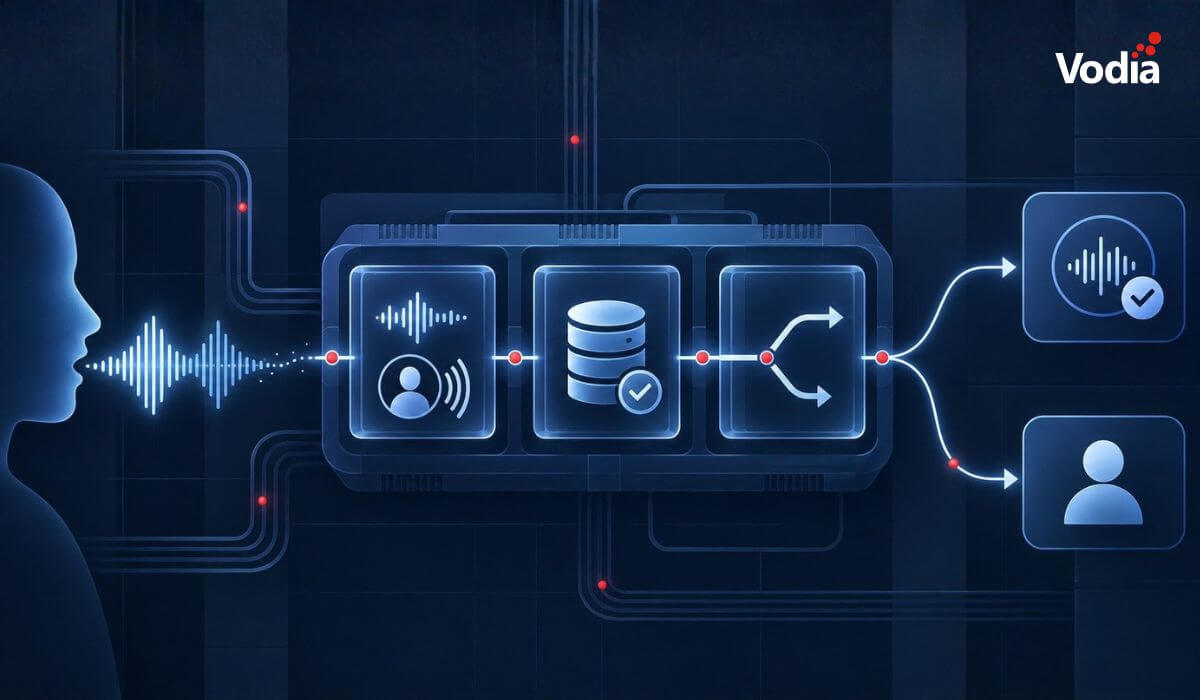
Outbound AI Voice Agents in Vodia V70

Outbound AI Voice Agents in Vodia Version 70 enable automated voice outreach powered by OpenAI’s Realtime API. Organizations can schedule campaigns, trigger AI-driven calls through simple API requests, and manage conversations that confirm appointments, update customers, or collect feedback. With dedicated voice agent extensions, dynamic variables, custom tools, and webhook integration, the system supports scalable, intelligent call workflows while maintaining consistent customer communication.

March 10, 2026

The Vodia PBX and the Cisco IP Phone Series 9800

Vodia PBX now supports the Cisco IP Phone Series 9800 running Multiplatform (MPP / 3PCC) firmware, Cisco’s latest flagship IP phone lineup. The devices can be onboarded and managed directly within the PBX, including configuration and firmware control, allowing organizations to continue using Cisco hardware in on-premises or cloud deployments. Supported models, firmware types, and recommended upgrade methods for Cisco MPP provisioning are also outlined.

March 4, 2026

The New Vodia Partner Portal and Partner Program

The new Vodia Partner Portal and Partner Program provide a streamlined, self-service way for partners to license, sell, and deploy Vodia PBX solutions more efficiently. Shaped by partner feedback, the portal brings license management, partner levels, pre-qualified leads, marketing resources, and access to professional services into one place. Partner certification unlocks progression beyond onboarding, while a welcome package rewards partners at first login.

February 26, 2026

Continued Growth in the Global VoIP Marketplace

VoIP adoption continues to grow as enterprises and SMBs move away from legacy phone systems toward cloud-based communication that supports remote and hybrid work. Market forecasts show sustained expansion driven by cost efficiency, flexibility, and unified communications, while modern PBX platforms evolve to deliver scalable, reliable voice services with advanced features such as video, integrations, and AI-ready capabilities.

February 25, 2026

Cisco IP Phone Series 6800, 7800 and 8800 with the Vodia PBX

Cisco IP Phone Series 6800, 7800, and 8800 devices running Multiplatform (MPP / 3PCC) firmware can be used with the Vodia PBX in SIP-based environments. Supported models span entry-level, mid-range, and advanced devices commonly deployed in enterprise and service provider scenarios. Cisco-provided MPP firmware is used, with firmware versions and upgrades managed through the PBX after initial onboarding, supporting both on-premises and cloud deployments.

February 19, 2026

Sonic: Music on Hold and the Vodia PBX

Music on Hold plays an important role in how callers experience wait times and perceive service quality. With Vodia PBX Version 70, we’ve enhanced Music on Hold to deliver neutral, calming, high-quality audio that reassures callers while they wait. These improvements, combined with flexible streaming options, emergency messaging, and full support for cloud and on-premises multi-tenant environments, help businesses reduce dropped calls and create a more positive caller experience before an agent ever answers.

February 17, 2026

Open Source PBX vs Commercial PBX: What You’re Really Managing

Organizations often start with an open source PBX for flexibility, but as systems move from initial setup to daily operations, the real cost becomes management, maintenance, and long-term reliability. This article explores the difference between building a PBX stack from frameworks and running a commercial, integrated PBX platform, focusing on operational complexity, security responsibility, upgrades, and ongoing maintenance. It explains how a purpose-built PBX shifts the burden from continuous engineering to stable operation, helping teams prioritize clarity, control, and scalability as requirements grow.

February 12, 2026

The Vodia PBX and Google Gemini

Vodia PBX now integrates Google Gemini with JavaScript IVR and Voice Agents, enabling real-time, AI-driven call handling and intelligent routing. By combining Gemini’s multimodal large language models with Vodia’s programmable IVR framework, organizations can build voice agents that stream audio in real time, make routing decisions through function calls, and handle both basic and attended transfers with AI-assisted screening. This integration allows businesses to automate call flows, reduce hold times, and improve productivity using conversational AI that works directly inside the PBX.

February 4, 2026

6 + 1 Phone System Features You Need in 2026

In 2026, a modern phone system must go well beyond basic calling. Core requirements now include built-in AI for smarter call handling and transcription, real-time analytics dashboards for visibility and control, flexible auto attendants to route calls efficiently, seamless Microsoft Teams integration, and robust mobile apps that support hybrid and remote work. Clear separation between business and personal calls protects work-life balance, while reliable white-glove support ensures these capabilities work smoothly in real-world environments as communication needs evolve.

January 30, 2026
Blog

Discover our identity, services and approach

Explore insights and experiences from our dynamic team of developers and engineers.