AI Voice Agents and Business Calls: A Practical Compliance Checklist
Published on:
September 23, 2026
AI-powered calling gives businesses new ways to manage conversations, improve availability, and respond to callers more efficiently. It also introduces important questions about transparency, consent, privacy, data handling, and accountability. Organizations need clearly defined boundaries for what a Voice Agent may answer, which systems it can access, and when identity verification or human assistance is required. A thoughtful deployment balances automation with appropriate safeguards, helping businesses use conversational AI confidently while protecting callers and maintaining trust.
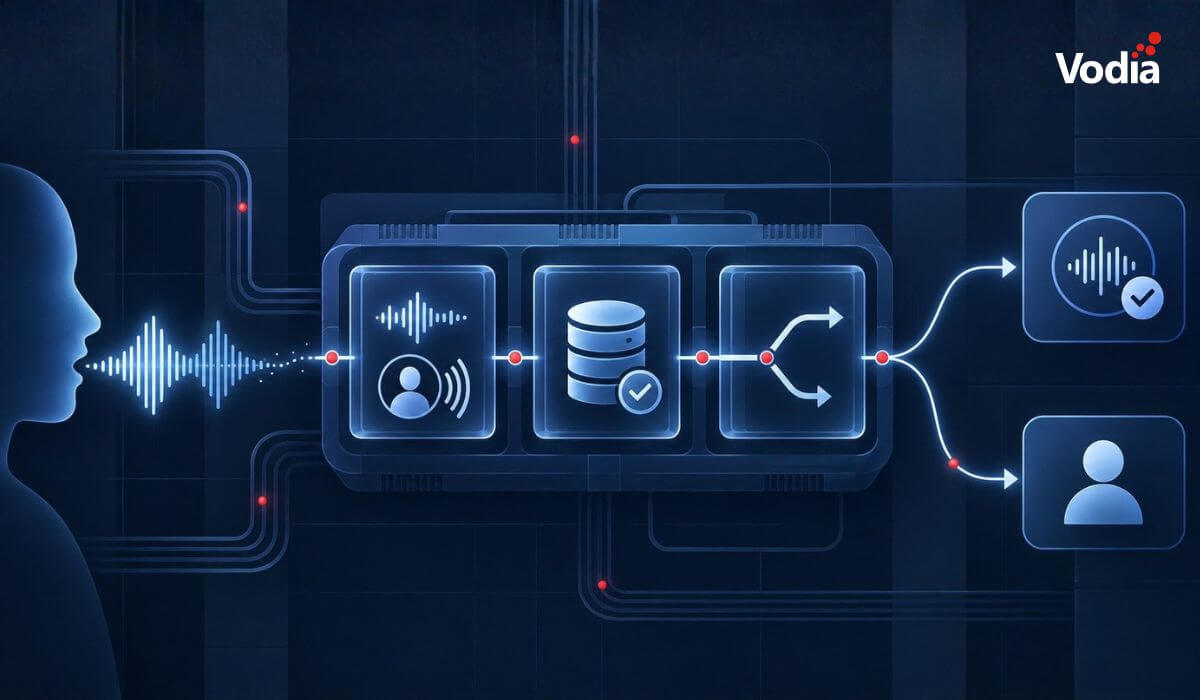
Voice Agents are AI-powered call handlers that can extend or replace traditional IVRs and receptionist workflows while following existing PBX call flows. Instead of requiring callers to navigate fixed menus or scripted options, they can use natural language to understand intent, collect information and route calls.
Voice Agents can answer routine questions and support more conversational call handling. Their behavior depends on how the agent, connected systems and PBX rules are configured.
Compliance
AI Voice Agents must be deployed in accordance with the legal, privacy and operational requirements that apply to each use case. These requirements can depend on who initiates the call, its purpose, the jurisdictions involved, the information collected, and whether the conversation is recorded or transcribed. Compliance should therefore be considered from the beginning of the call-flow design. Requirements vary by jurisdiction and use case, so organizations must review their AI call deployments with qualified legal and privacy professionals.
The difference between inbound and outbound calls
With inbound calls, callers choose to contact the business, but the business must still consider transparency, privacy, recording, retention, and access to a human agent.
Outbound calling has a different risk profile because the business chooses whom to contact and why. In the US, the Federal Communications Commission has confirmed that the Telephone Consumer Protection Act restrictions covering artificial or prerecorded voices also apply to AI-generated voices. The applicable consent requirements and exemptions depend on the purpose and destination of the call. The Federal Trade Commission (FTC) Telemarketing Sales Rule is another layer of compliance for the use of Voice Agents, adding regulations for disclosures, calling times, Do Not Call requests, opt-outs, and records.
An appointment reminder to an existing customer and an unsolicited sales call shouldn’t be combined in one workflow. The exact purpose and recipient of each outbound call flow must be determined before the Voice Agent is configured.
Define the use case and jurisdiction
Start with a written description of what the Voice Agent will do:
Will it answer inbound calls or initiate outbound calls through the API?
Is the purpose service, support, scheduling, collections, marketing, or sales?
Is it B2C, B2B, or both?
In which jurisdictions are the organization and the people receiving the calls located?
Will it collect authentication, financial, health, or personal information?
Will calls be recorded, summarized, or transcribed?
Answering these questions will shape your legal review and help prevent approved workflows from becoming higher-risk use cases.
The AI interaction should be clear
Callers shouldn’t have to guess whether or not they’re speaking with a human agent or with a Voice Agent. Article 50 of the EU AI Act requires providers of AI systems that interact directly with people to design those systems so individuals are informed that they are interacting with AI, unless this is already obvious. European Commission guidance states that the notice should be clear, distinguishable, accessible and provided from the beginning of the first interaction. These requirements have applied since August 2, 2026.
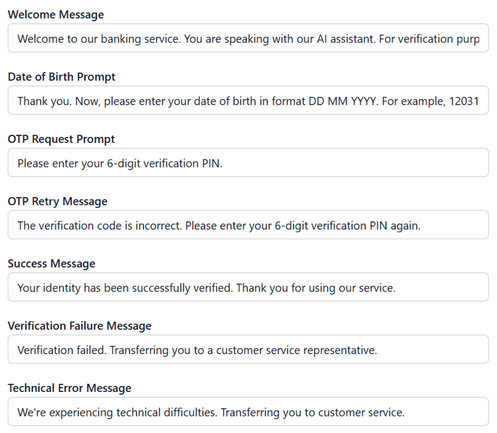
A practical introduction might be: “Hello, you are speaking with AcmeTel’s AI assistant. I can help route your call or connect you with a team member.”
At minimum, the notice should make it clear that the caller is interacting with AI. Recording, transcription and processing by an external service are separate activities that may require additional notices, consent or legal review. Identifying an AI assistant won’t automatically satisfy all notice/consent requirements.
For API-triggered outbound workflows, a telephone number in a CRM doesn’t count as automatic permission for a Voice Agent call - you must establish the legal basis, required consent, consent record, and process for honoring opt-out or Do Not Call requests. State requirements may also apply in addition to US federal requirements.
Managing the collection and retention of data
Voice Agents should only receive the information required to complete assigned tasks. If a Voice Agent only needs to route a caller to sales, it doesn’t need access to the complete customer record. An appointment Voice Agent might need a name, time, and confirmation status, but it may not need access to unrelated account history.
You’ll need to document the complete data path:
What information enters the PBX?
What information is sent to an AI service?
What information is passed to a CRM, ticketing system, or webhook?
What information is recorded, transcribed, summarized, or logged?
Where is the data stored, who can access it, and when is it deleted?
Voice AI, recording, and transcription are separate functions. The approved use of an AI receptionist doesn’t automatically authorize retaining audio, creating a transcript, or reusing a conversation for training (recording laws and required notices vary). Your company should draft a retention schedule and access policy for every output. Retaining recordings and transcripts longer than necessary can create unnecessary risk. Organizations should define how long each type of information is retained and who can access it.
Provide a reliable path to a human agent
Voice Agents are for assisting callers and customers; they shouldn’t be a barrier between the caller and your company. This means there must be rules for when the Voice Agent should transfer or escalate a call to an employee. Triggers include:
the caller asks for a person
the agent cannot confirm the caller's intent
identity verification fails
the request involves a dispute, complaint, or sensitive decision
the agent lacks the authority to complete the requested action
an external system is unavailable
there’s an emergency/indication of immediate risk
The fallback must also work outside normal business hours. Depending on the use case, it may be a call queue, on-call extension, voicemail, callback workflow or another clearly explained contact method. Human handoff is part of a well-designed system, not evidence that the Voice Agent failed.
Voice Agent restrictions
A conversational interface can sound authoritative even when its information is incomplete. Reduce this risk by giving the Voice Agent a narrow, clearly defined assignment. Define which questions the Agent is permitted to answer, which systems it may access, which actions it may perform, and which actions or requests unquestionably require a human agent.
High-impact actions require appropriate verification and confirmation. A Voice Agent shouldn’t change an address, disclose account information, cancel an appointment, or initiate a payment-related action merely because a caller states a name. Voice Agents also need approved responses when they don’t have an answer to a query. When the Voice Agent cannot provide a reliable answer, a transfer or callback is safer than an incorrect response.
Document and test call flow
Your organization should retain sufficient information to investigate failures, answer complaints, and verify controls. This should include the call-flow version, time, destination, outbound call purpose, consent relied upon, whether the AI notice played or not, actions triggered and, of course, the outcome.
Before launch, testing should include:
unclear speech
background noise
interruptions
failed authentication
unavailable employees
CRM or AI-provider outages
requests outside the agent's authority
opt-out requests
emergency language
Review the outcome of the calls, not just whether or not the conversation sounded natural. A successful test confirms the agent took the right action, protected restricted information, and transferred control when required. Testing should also confirm that audio quality is sufficient for the caller and Voice Agent to understand each other reliably.
Material changes
AI calling is always evolving - it’s not a configure-once-and-done project. You’ll need to review workflows whenever your organization changes its model, AI provider, prompt, knowledge source, greeting, disclosure, connected systems, available actions, outbound use case, or regions you call.
No phone system or AI provider can make a business compliant by itself. Compliance depends on the call's purpose, configuration, information used, people contacted, and the procedures surrounding the technology.
Before you go live
Before you go live, you need to answer these six questions:
What exact task is the Voice Agent authorized to perform?
Why is the organization permitted to make or process the call?
How will people know they are interacting with AI?
What data will leave the PBX, where will it go, and how long will it remain there?
How can a caller reach a human agent?
Who owns the workflow, and who reviews changes?
If the answer to any of these questions is unclear, your call flow isn’t ready for production.
Call flow is where responsible voice AI begins
Strong Voice Agent deployments do not begin with “What can the AI do?” They begin with more practical questions: What should the Voice Agent do? What information does it need? What must it never do? When should a human agent take over?
Once these boundaries are clear, the technology can be configured around the business and its existing call flows.
Controlled AI call flows with Vodia
Vodia V70 expands the PBX’s AI capabilities for inbound and outbound call workflows. Voice Agents operate within the existing PBX structure, allowing administrators to combine conversational AI with established extensions, queues, routing rules and permissions.
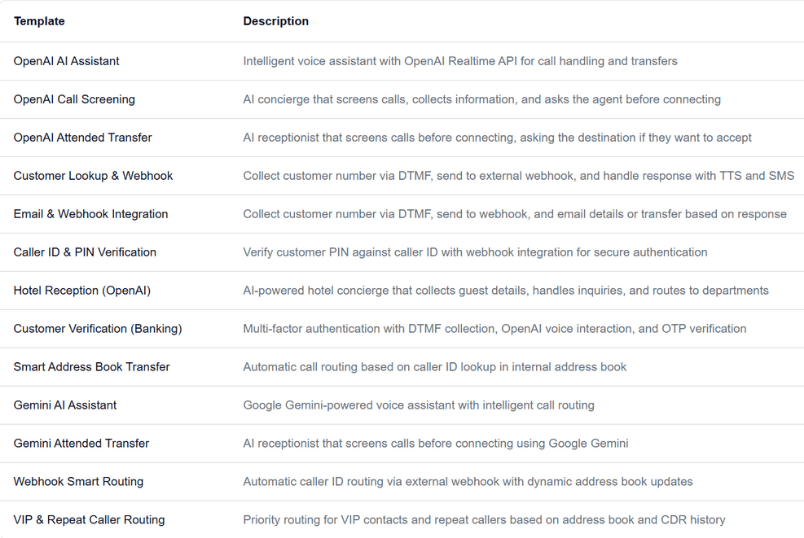
Vodia Voice Agents can understand caller intent, answer naturally, collect information, and transfer callers. V70 also provides a separately configured OpenAI Outbound Agent integration for API-triggered calls such as appointment reminders, payment notifications and order status updates. This outbound integration requires OpenAI’s Realtime API and is configured separately from other Voice Agent providers and workflows. Our Voice Agents use the extensions, queues, rules, and permissions already configured in the Vodia PBX, so administrators can add AI to selected call flows while retaining the PBX routing structure. These capabilities help businesses limit what a Voice Agent can do; they determine when the PBX should transfer control to a human agent or another destination.
Vodia doesn’t listen to, store, or analyze customer calls, and it has no access to call recordings or conversation data unless the customer explicitly configures this access.
Apps have changed how businesses communicate and work, but every digital experience still depends on physical hardware. From smartphones, desk phones, and headsets to networking equipment and cloud servers, reliable infrastructure supports productivity, security, and call quality. Here’s why hardware still matters in an app-first world and what businesses should consider when choosing dependable devices and secure connectivity for the office, hybrid teams, and remote work, while preparing for evolving technology.
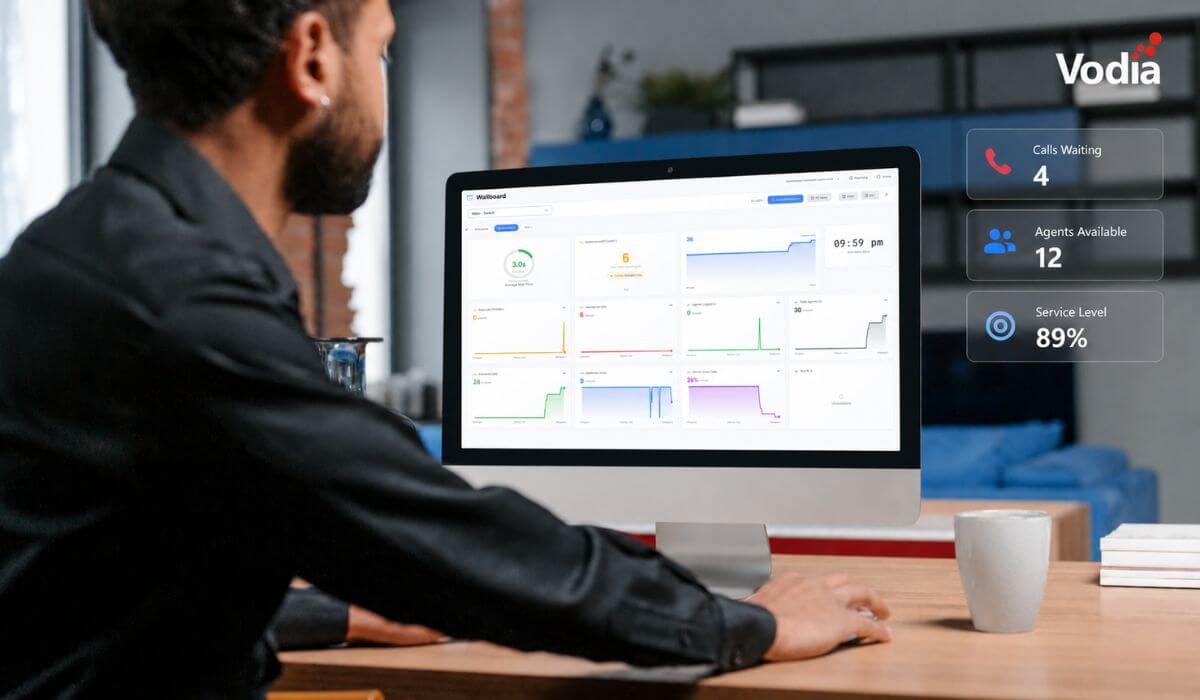
Vodia Wallboards gives supervisors, contact centers, service providers, and operations teams a self-hosted, real-time view of Vodia call queue activity. Monitor waiting, ringing, and active calls; agent availability; service levels; abandoned calls; and queue trends across one or more Vodia PBX systems. Start with a ready-made layout or build a custom wallboard using queue filters, live widgets, AI summaries, and alerts. Display the information your teams need in a browser, on an operations dashboard, or on a dedicated TV screen.
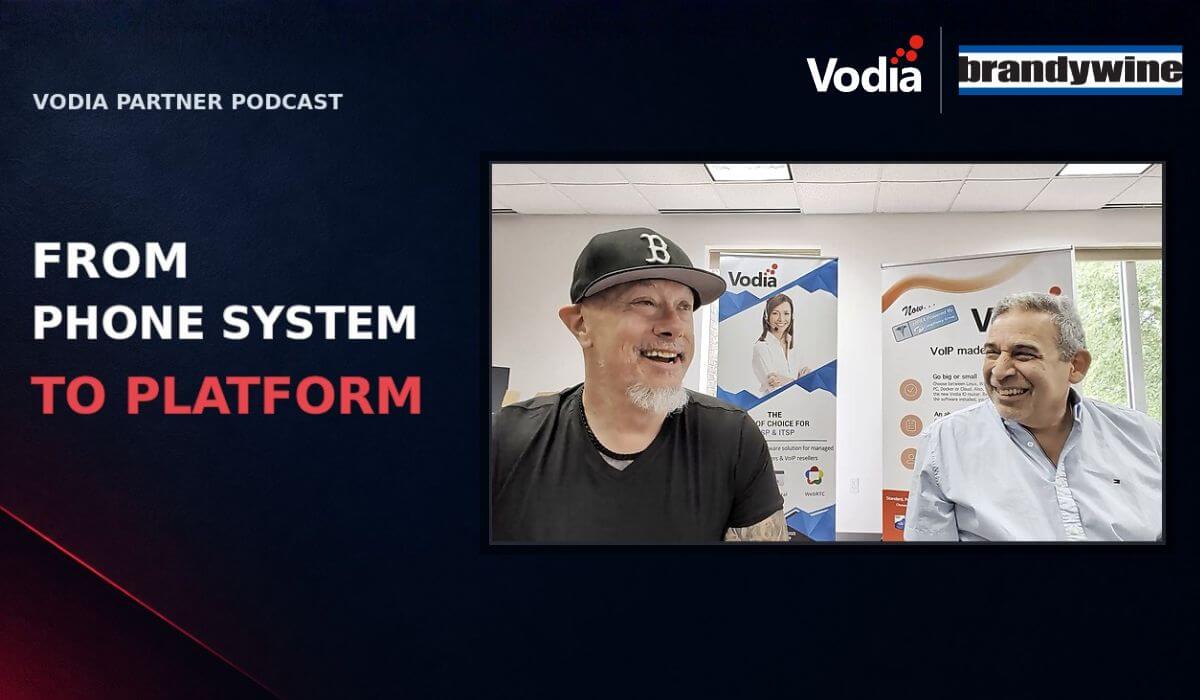
Yori Kasprzak, founder of Brandywine Technical Partners, joins Vodia’s Eric Altman to share how he built a multimillion-dollar business and the role Vodia has played in its growth. From cloud telephony and CRM integrations to door systems, AI and mobile workforces, he explains how Brandywine solves customer challenges with Vodia’s open platform and shares advice for partners looking to grow. His story shows how finding customer pain points can create business opportunities beyond traditional phone services.
.svg)