Keycloak OpenID Connect Integration for the Vodia PBX
Published on:
September 12, 2025
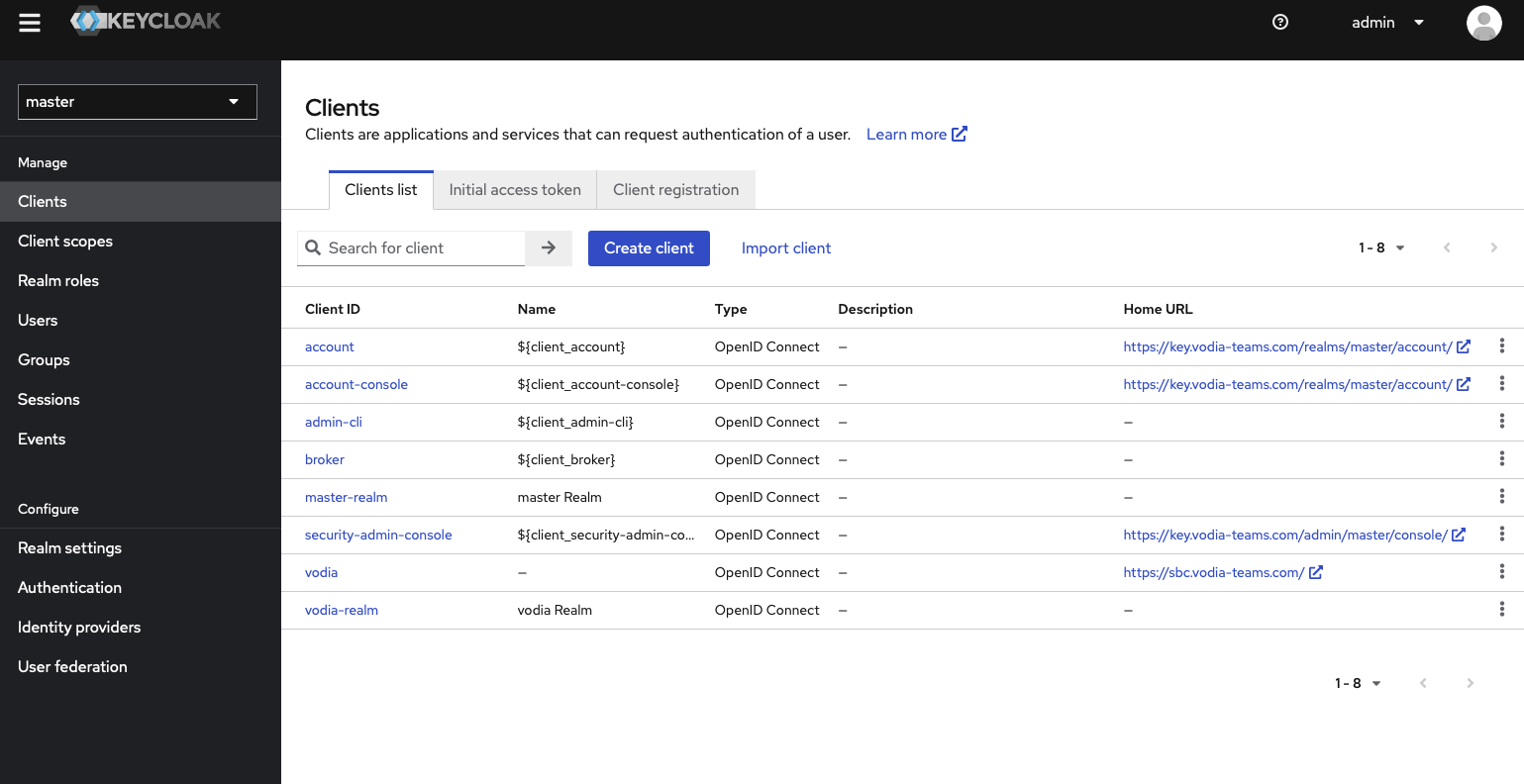
Vodia’s PBX now integrates with Keycloak OpenID Connect, providing secure single sign-on for users so they can access all connected applications without repeated authentication. Logging out from one application automatically logs the user out of all connected systems, simplifying user management and improving security. Keycloak, a Cloud Native Computing Foundation project, supports standard protocols including OpenID Connect, OAuth 2.0, and SAML, offering enterprise-grade identity and access management. To ensure proper integration, Keycloak user emails must match the corresponding PBX extension emails. Complete guidance is available in the Vodia Keycloak integration guide.
Vodia’s PBX now supports Keycloak OpenID Connect, enabling secure single sign-on for your users. Once a user logs in through Keycloak, they can access all connected applications without repeated authentication. Logging out from one application also logs the user out from all connected systems, simplifying user management and improving security.
What Is Keycloak?
Keycloak is a Cloud Native Computing Foundation (CNCF) incubation project. CNCF is the open source, vendor-neutral hub of cloud native computing, hosting projects such as Kubernetes and Prometheus that make cloud native universal and sustainable. A number of global organizations have recently shared their Keycloak case studies, including the Austrian Business Service Portal, Hitachi, and OpenTalk.
How Keycloak Works
Vodia users can now authenticate with Keycloak, rather than with individual applications, so these apps don’t require authenticating users, login forms, and storing users. Once a user logs in to Keycloak, it isn’t necessary to log in again to use another application.
This also applies to logging out, as Keycloak enables single-sign out (SSO): once a user logs out of an application, this user is automatically logged out of all applications using Keycloak. Keycloak is based on standard protocols and provides support for OpenID Connect, OAuth 2.0, and SAML.
The Integration of the Vodia Phone System with Keycloak
The integration of the Vodia phone system with Keycloak provides enterprise-grade identity and access management.
This allows for secure Single Sign-On (SSO), but Keycloak user emails must match the corresponding extension email addresses on the PBX.
The Vodia phone system is the best choice for enterprises and SMBs looking to build feature-rich, robust, scalable, and secure business communication ecosystems that integrate with the world’s best business communications software - our integration with Keycloak OpenID Connect is just the latest in a series of integrations we’ve completed with some of the world’s best business communications software, including ActiveCampaign, Freshdesk, HighLevel, Microsoft Dynamics 365, monday.com, and Odoo Cloud, among others. We want our customers to have everything they need to build external and internal communications stacks that drive growth and profitability.
Following a critical PHP security advisory affecting installations worldwide, we temporarily restricted public access to some of our backend services while carrying out necessary upgrades. Access has now been restored, and the affected services are operating normally. The Vodia PBX itself does not use PHP and was not directly affected. We explain what happened, the changes to legacy licensing and TLS support, and why customers running older PBX versions should contact us for upgrade guidance.
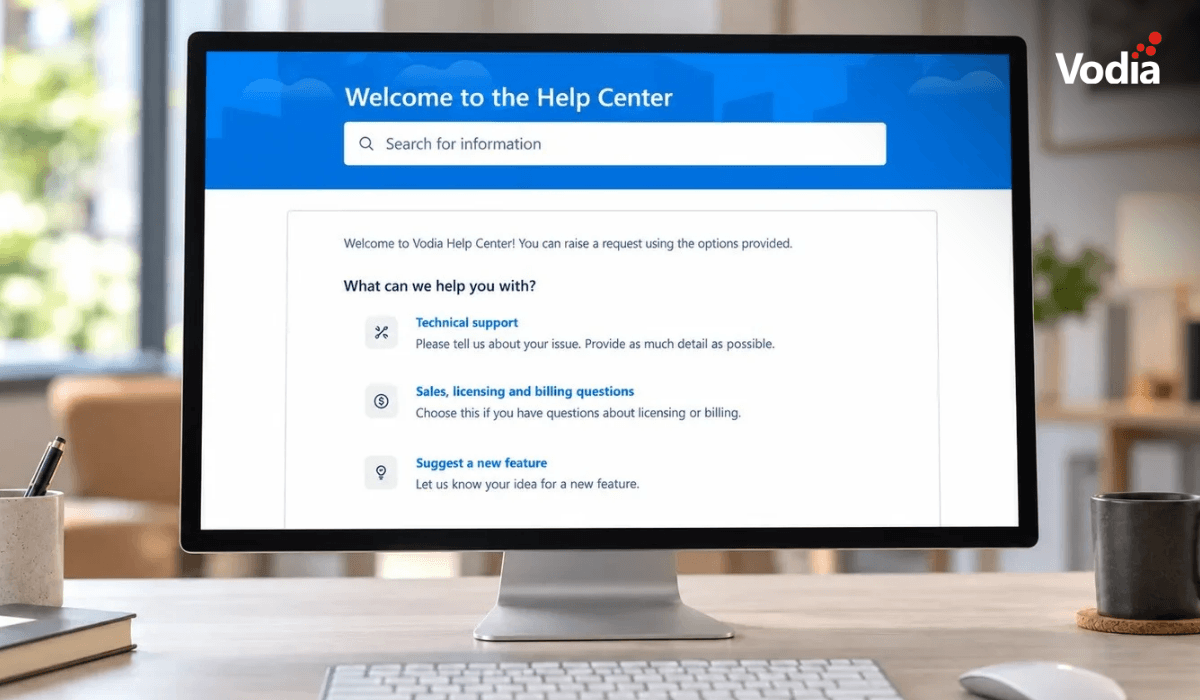
Submitting a support ticket with the right information helps our team understand your issue and reduces follow-up questions. This step-by-step guide walks you through the Vodia Help Center, from describing the problem and attaching diagnostic files to setting the business impact and providing your PBX details. You’ll also learn which call details and timestamps to include, alongside practical tips to keep troubleshooting focused and help our support team investigate your issue more efficiently.
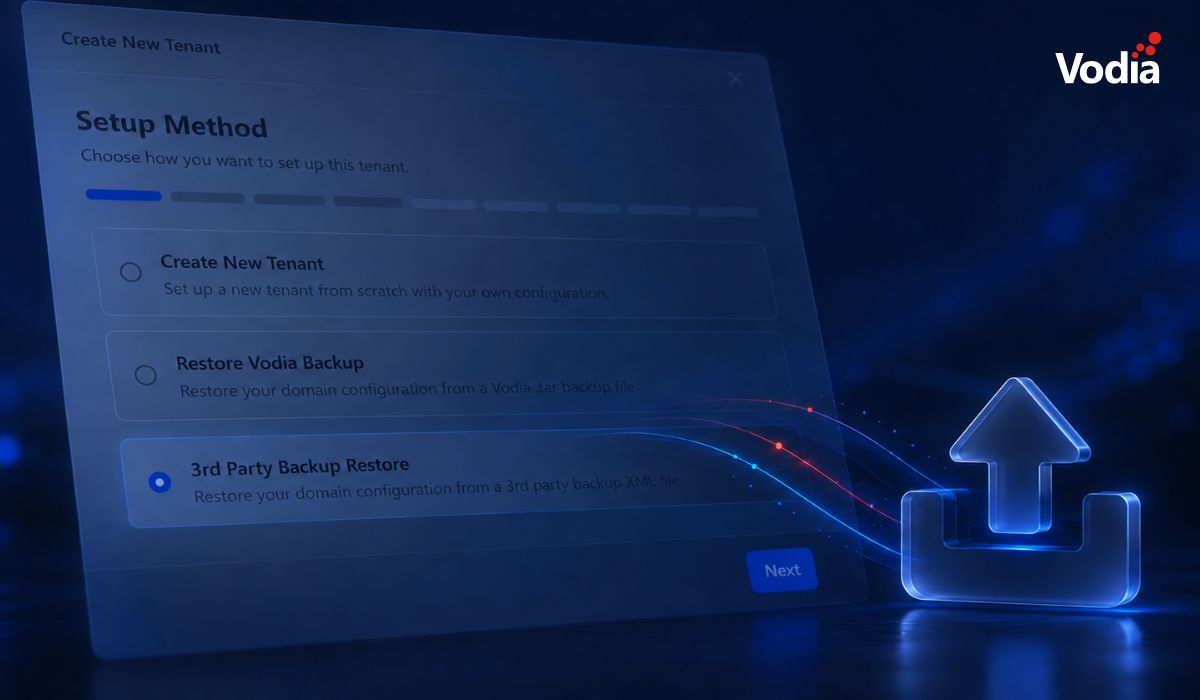
Switching phone systems doesn’t have to mean rebuilding everything from scratch. The Vodia PBX migration tool imports key configuration data from backups, including extensions, ring groups, queues, desk phones, and basic auto-attendant settings. Built into the Vodia Admin Portal, it guides administrators through the import process and reduces repetitive manual work, whether you’re moving 10 extensions or 1,000. Explore what transfers, what needs manual setup, and how the built-in tool reduces repetitive work when moving to Vodia.
.svg)