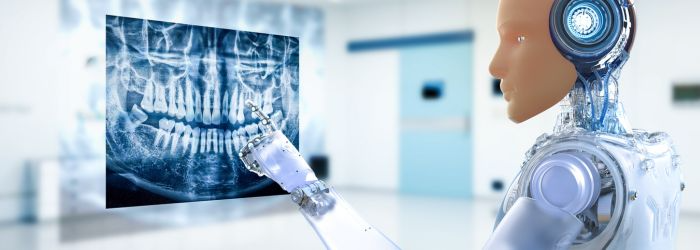
AI is rapidly reshaping the healthcare landscape by improving how providers communicate, manage patient information, and deliver care. The Vodia PBX combines unified communications with HIPAA-compliant AI features such as automated appointment scheduling, transcription of patient conversations, multilingual support, and telemedicine capabilities. These tools reduce administrative workload, improve patient compliance, and ensure that critical information is accurately documented and easily accessible. From small clinics to major hospitals, Vodia’s intelligent communication platform streamlines operations, enhances collaboration between staff and patients, and ultimately helps healthcare organizations deliver faster, more efficient, and more personalized care.
The American healthcare system is, to say the least, overburdened.
According to the American Association of Physician Associates, “U.S. adults spend the equivalent of an entire eight-hour workday per month coordinating healthcare for themselves and/or their families.” More than 65 percent of Americans describe themselves as “overwhelmed” trying to manage their healthcare, while the average wait time for patients who can’t arrange treatment within a week of their first contact with a healthcare provider is about a month.
A recent Harvard Business Review article states, “The United States has the worst-performing health system among all high-income countries. Even the best-performing U.S. states lag international comparators like France, Germany, the United Kingdom, and Australia.”
AI: An Outstanding Solution for Healthcare
The strategic use of Artificial Intelligence (AI) offers a potential solution. Smartphone systems and AI-powered communication tools not only reduce the burden on healthcare staff, they also shorten waiting times and help overcome language barriers. Christian Stredicke, PhD, CEO of Vodia, believes American healthcare providers can save valuable resources with automated appointment scheduling, call transcription, and digital consultations, all in compliance with the Health Insurance Portability and Accountability Act (HIPAA).
The implementation of AI in healthcare is a first and significant step away from outdated IT systems. Per the National Institute of Health:
“The increasing availability of multi-modal data…coupled with technology innovations in mobile, internet of things (IoT), computing power and data security herald a moment of convergence between healthcare and technology to fundamentally transform models of healthcare delivery through AI-augmented healthcare systems…Research in the application of AI healthcare continues to accelerate rapidly, with potential use cases being demonstrated across the healthcare sector (both physical and mental health), including drug discovery, virtual clinical consultation, disease diagnosis, prognosis, medication management, and health monitoring.”
In a survey conducted in February of 2025, the American Medical Association (AMA) found 66 percent of physicians reported using healthcare AI in 2024 for: documentation of billing codes, medical charts or visit notes; creation of discharge instructions, care plans or progress notes; translation services, assistive diagnosis and more. The 66 percent usage rate represents a 78 percent increase from the 38 percent of physicians who reported using AI during the prior year.
“AI can assist with various routine tasks, relieving pressure on staff,” says Dr. Stredicke, “but it’s important to apply it in the right areas - only then can it have the desired impact.”
Smart, connected systems can handle patient service requests. AI automates typical practice management needs, including call logs and appointment requests, while significantly reducing documentation requirements. AI can also transcribe doctor-patient conversations, enabling more targeted treatments.
The Vodia PBX: An Industry-Leading Solution for Healthcare Communication
The Vodia PBX has been designed with healthcare organizations in mind. It’s a unified communications system for every healthcare sector or speciality, for any facility, from rural practices to university hospitals, laboratories to therapists, from urgent care clinics to nursing and long-term care homes. Vodia is the digital healthcare communication solution they need to increase revenue and achieve better patient outcomes, including the utilization of HIPAA compliant AI, integration of messaging, video, and voice into digital solutions, landline SMS for patient notification, and integration of document workflows - including fax - into care processes and day-to-day operations.
AI-Driven Telemedicine for Improved Patient Outcomes
Telemedicine, also known as telehealth, makes it possible for patients to “see” their providers via phone or online, rather than visiting an office; it enables secure, direct messages between patients and providers, as well as technology to track and report necessary treatment metrics, such as blood pressure, sugar levels, etc. It reduces wait times for appointments, minimizes patient travel expenses, and makes specialists available to patients who may not reside or work near their offices. It’s especially helpful in rural areas, where the number of available doctors has decreased.
“AI can further enhance this approach,” says Dr. Stredicke, “as digital consultations already enable remote care in some cases.”
AI doesn’t replace physicians, but supports them with supplementary tasks and increased patient compliance: “AI-supported systems can help during initial diagnostics and follow-up care, particularly since doctor-patient conversations can be transcribed automatically. This is a key step in sharing detailed treatment plans afterward and helping patients comply with these plans.”
“Service requests, such as appointment scheduling or lab result inquiries, can be handled automatically when the phone system integrates AI,” says Dr. Stredicke.
Vodia has enhanced its Interactive Voice Response (IVR) with backend JavaScript to enable real-time AI call interactions. This enables patients to make or cancel appointments, refill prescriptions, request records, and more, all without speaking to staff, and in multiple languages. With full Microsoft Teams support, the Vodia PBX and its OpenAI Realtime API integration streamline workflows, increasing efficiency and improving patient outcomes with intelligent, voice-powered automation.
“AI call interactions give real relief to staff, so they can focus on urgent tasks and patient care.”
Easy Deployment and Integration with Healthcare Practice Platforms
The Vodia PBX can replace legacy phone systems without disrupting operations, and without increasing hardware costs, while seamlessly integrating with healthcare practice platforms.
“Existing phone systems can be replaced with compatible solutions,” says Dr Stredicke. “We’re also actively developing options to integrate with patient management systems. We’ve announced a few of these integrations, and we expect to announce more going forward.”
Improved Patient Compliance
After visiting a clinic or hospital, patients try to follow their treatment plans at home. Often, however, communication gaps between doctors and patients often lead to misunderstandings and poor adherence to treatment. With an AI-enabled phone system, these gaps can be bridged with transcribed conversations.
“With AI transcription of telephone conversations between patients and providers, staff members have a powerful tool at their disposal,” says Dr. Stredicke, “one that provides documentation of guidance and prescriptions and treatment plans.”
The Vodia phone system also includes translation functions for patients who speak different native languages. This is especially useful for clinics treating patients whose first language isn’t English that need to ensure these patients are following their treatment plans and taking the right medications.
Meeting Today’s Healthcare Challenges
“The targeted use of AI in communication and patient management systems can help address urgent healthcare challenges,” Dr. Stredicke concludes. “It’s going to be increasingly crucial to the healthcare sector. It will continue to create new opportunities in response to increasing digitalization demands. We’re excited to be part of it.”
Apps have changed how businesses communicate and work, but every digital experience still depends on physical hardware. From smartphones, desk phones, and headsets to networking equipment and cloud servers, reliable infrastructure supports productivity, security, and call quality. Here’s why hardware still matters in an app-first world and what businesses should consider when choosing dependable devices and secure connectivity for the office, hybrid teams, and remote work, while preparing for evolving technology.
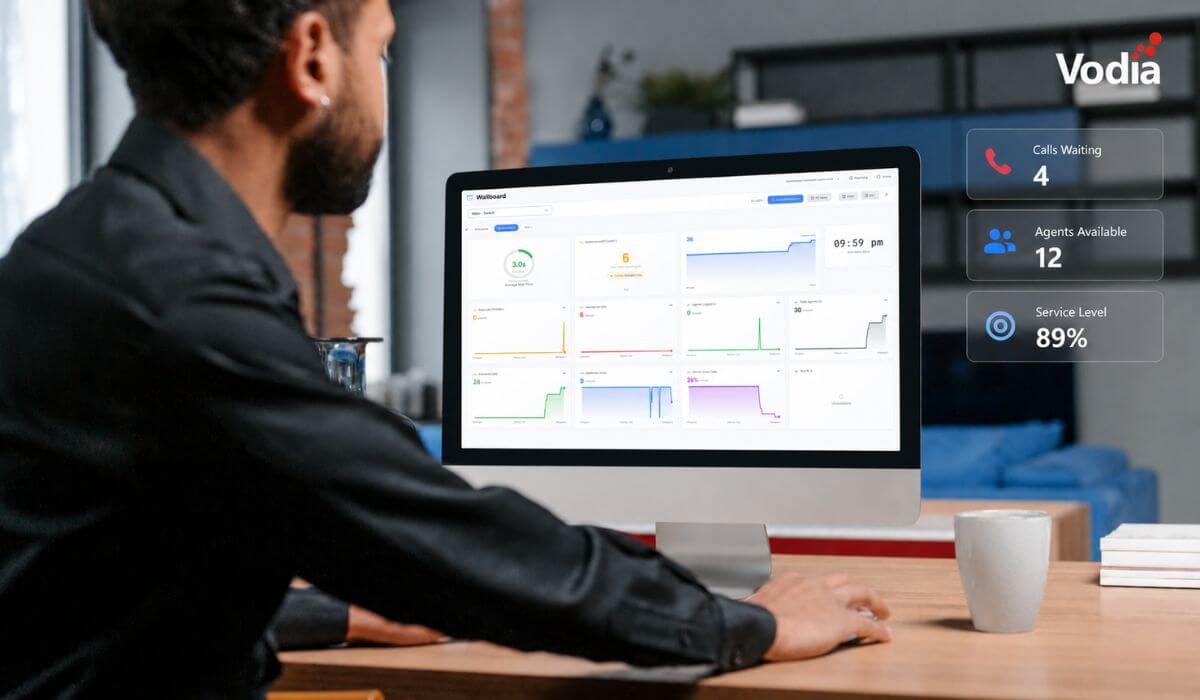
Vodia Wallboards gives supervisors, contact centers, service providers, and operations teams a self-hosted, real-time view of Vodia call queue activity. Monitor waiting, ringing, and active calls; agent availability; service levels; abandoned calls; and queue trends across one or more Vodia PBX systems. Start with a ready-made layout or build a custom wallboard using queue filters, live widgets, AI summaries, and alerts. Display the information your teams need in a browser, on an operations dashboard, or on a dedicated TV screen.
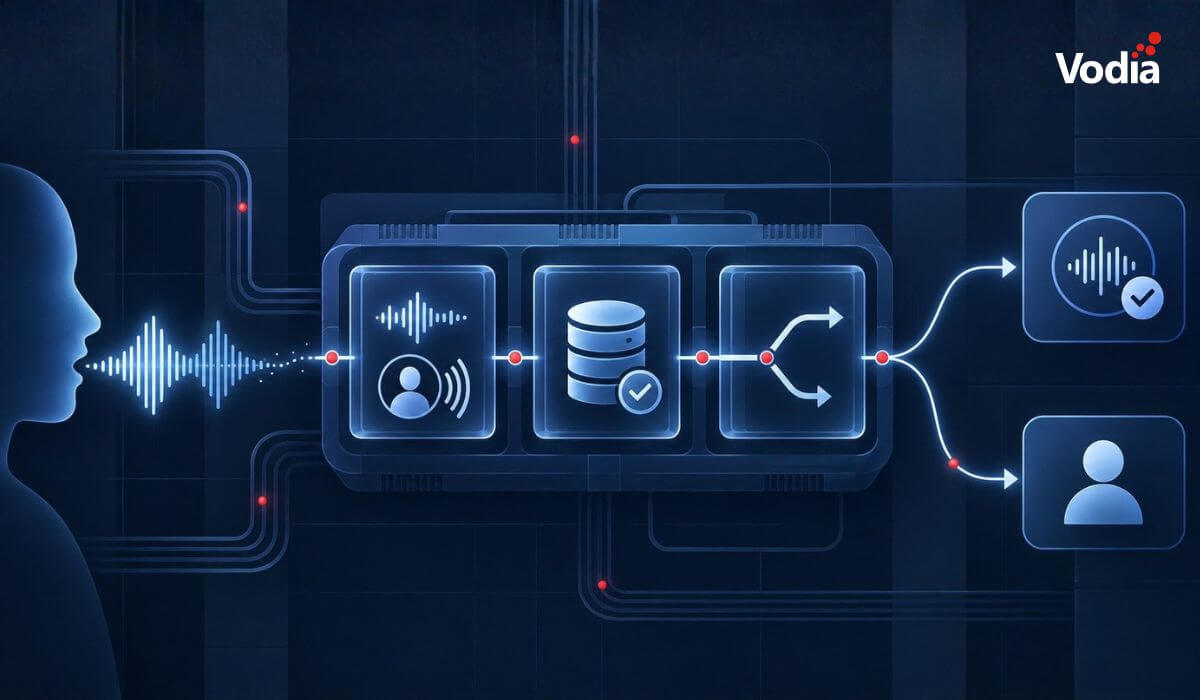
AI-powered calling gives businesses new ways to manage conversations, improve availability, and respond to callers more efficiently. It also introduces important questions about transparency, consent, privacy, data handling, and accountability. Organizations need clearly defined boundaries for what a Voice Agent may answer, which systems it can access, and when identity verification or human assistance is required. A thoughtful deployment balances automation with appropriate safeguards, helping businesses use conversational AI confidently while protecting callers and maintaining trust.
.svg)