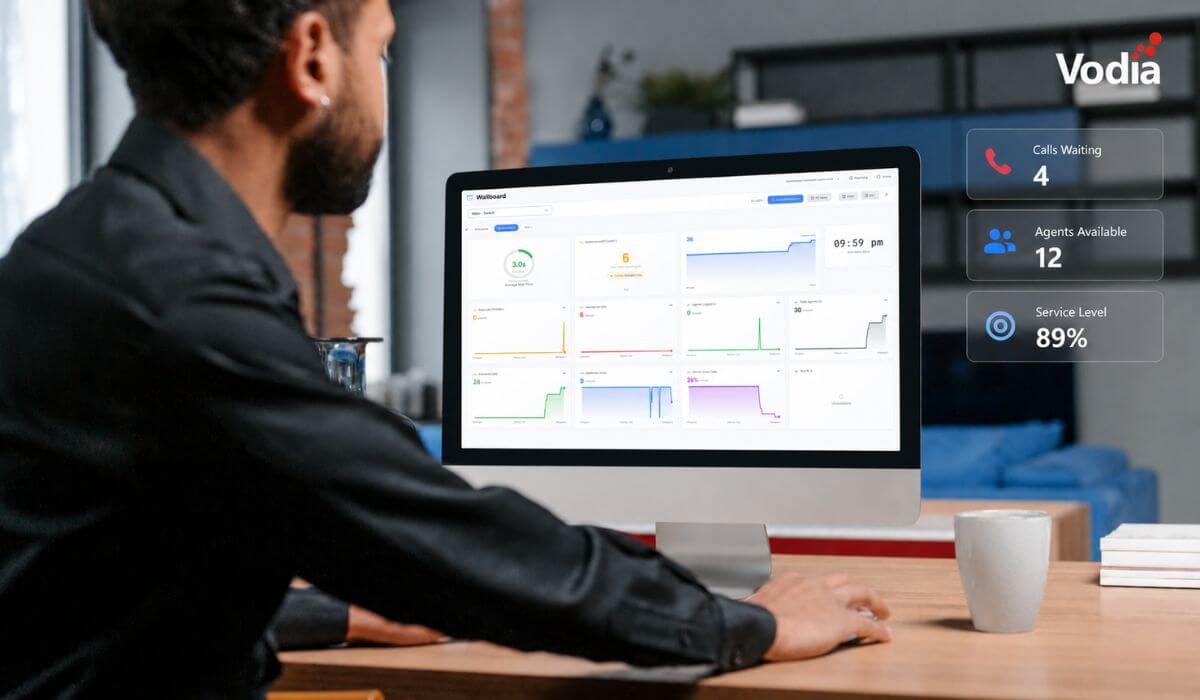
For years, cloud phone systems have been evaluated on reliability, scalability, call quality, and features. While these remain essential, they are no longer enough on their own. Businesses no longer view their phone system as a standalone calling tool. Increasingly, it is expected to provide operational insight, automate workflows, and help teams make faster decisions.
This shift is changing what organizations look for when selecting a phone system. Features that once felt innovative quickly become expected, while the ability to turn communication data into meaningful action is becoming a key differentiator. Increasingly, that capability is being driven by artificial intelligence.
AI takes the wheel
AI has simultaneously rewritten our collective business road map while adding a new level of intelligence and automation to the engine of almost every enterprise and SMB worldwide. Once used largely for call transcription in cloud phone systems, AI is now at the helm, managing everything from call routing and conversation intelligence to infrastructure monitoring and conversation analytics, increasing productivity and taking CX beyond what was once unimaginable.
Moving beyond transcription
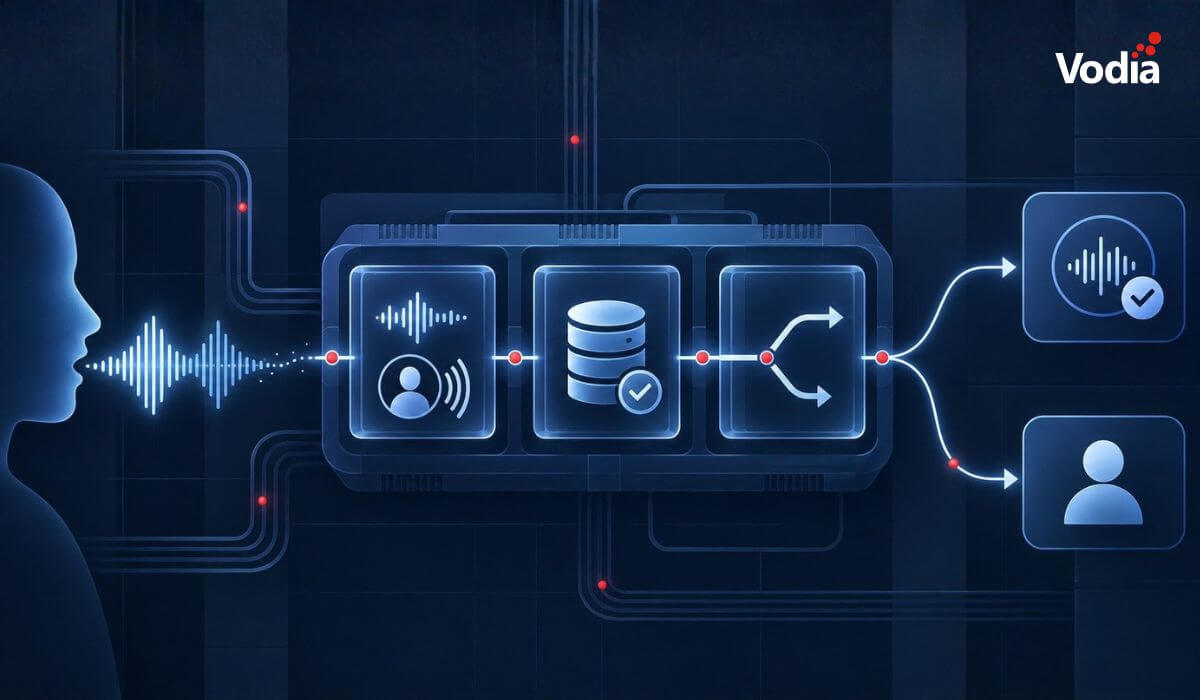
Call transcription simply transcribes what is said during a call via speech-to-text conversion - without AI, there is no interpretation of the call, sentiment analysis, alerts, or creation of action items. An AI-driven platform moves far beyond call transcription to convert voice calls into structured, actionable data:
- Auto-generated post-call summaries: With AI, call summaries are generated with a list of action items, decisions made during the call, and pending tasks.
- Conversational AI receptionists: Traditional IVR depends on fixed menus. AI-powered receptionists understand natural language, answer questions, route calls, and provide 24-hour call handling for organizations of all sizes.
- AI-powered conversation analytics: AI can transcribe calls, generate summaries, identify discussion topics, and provide deeper insight into customer interactions without requiring teams to manually review recordings.
- Sentiment analysis: AI measures caller tone and sentiment to help organizations identify trends, improve customer experiences, and better understand conversations at scale.
- AI-assisted monitoring: AI can analyze PBX infrastructure health, summarize system conditions, and help administrators identify issues across servers, tenants, trunks, and other critical services.
Why this matters
AI management of calls, with voice transcription as a launchpad, can help any organization accelerate operations, improve CX, and reduce costs, but AI can manage so much more than voice calls. From conversation analytics and sentiment analysis to infrastructure monitoring and automated administration, AI-powered PBX platforms streamline and strengthen business communications for enterprises and SMBs alike. This shift is already shaping the next generation of business communication platforms, where AI is becoming a core component, rather than an optional add-on.
Vodia V70 - built with AI
Vodia V70 introduces integrated AI capabilities, including AI receptionists, AI-powered analytics, and AI-assisted monitoring tools to improve operational control. V70’s new admin portal makes management faster and smarter: with built-in automation, the V70 assistant understands commands and executes them in real-time, turning routine setup into a simple conversation.
V70 features fully-automated outbound AI Voice Agents for customer outreach, powered by OpenAI's Realtime API. This same framework can handle both inbound and outbound calls, creating consistent conversational experiences. V70 also introduces reusable AI templates for common PBX functions, including AI assistants and attended transfer handling. These AI templates provide predefined, structured configurations that help administrators deploy AI features consistently and efficiently across systems and tenants while maintaining predictable, production-ready behavior.
Beyond call handling, AI is embedded throughout the Vodia platform. Vodia Analytics uses AI to transcribe conversations, generate summaries, identify discussion topics, and perform sentiment analysis, helping organizations gain deeper insight into customer interactions. Vodia Monitor applies AI-assisted analysis to infrastructure monitoring, helping administrators identify issues, summarize system health, and maintain visibility across servers, tenants, trunks, certificates, and other critical services.
Together, these capabilities extend AI beyond individual calls and into the broader communication environment, helping organizations manage conversations, administration, analytics, and infrastructure from a single platform.
At Vodia, we believe AI should do more than transcribe conversations. It should help organizations manage communications, automate routine tasks, gain deeper operational insight, and improve customer interactions. Find out what our AI-powered business communication platform can do for your organization, sales@vodia.com, +1 (617) 861-3490 (we’ll be happy to transcribe the call if you wish).
.svg)