To enable global SMS sending and receiving with Telnyx Version 1 on Vodia PBX, first create a Telnyx account and purchase an SMS number. Then, navigate to the messaging section to set up a profile, specifying the callback URL for incoming messages and selecting API Version 1. Copy your API token from Telnyx, then go to Vodia PBX admin settings to choose Telnyx as your SMS provider and enter your credentials. Each user can customize their SMS ANI in their extension settings, allowing for seamless messaging via the user portal. Be sure to keep your Vodia PBX updated for the best performance.
Under Inbound Settings "Send a Webhook to this URL". Enter your http://PBXname.com/recvsms
API Token
You will need your API Token for the Vodia PBX
Copy API V1 Profile secret
Vodia Messaging
Navigate to your Admin --- Messaging and Notification
Under Text Messaging
Choose Telnyx as the provider
Enter your Token from the profile secret
Important: Enter your Telnyx phone number in the following fomat: +16178889685
User SMS ANI
Each user can have their own SMS ANI. You can set this up under the extension general settings. The number will be present when sending n SMS via the user portal.
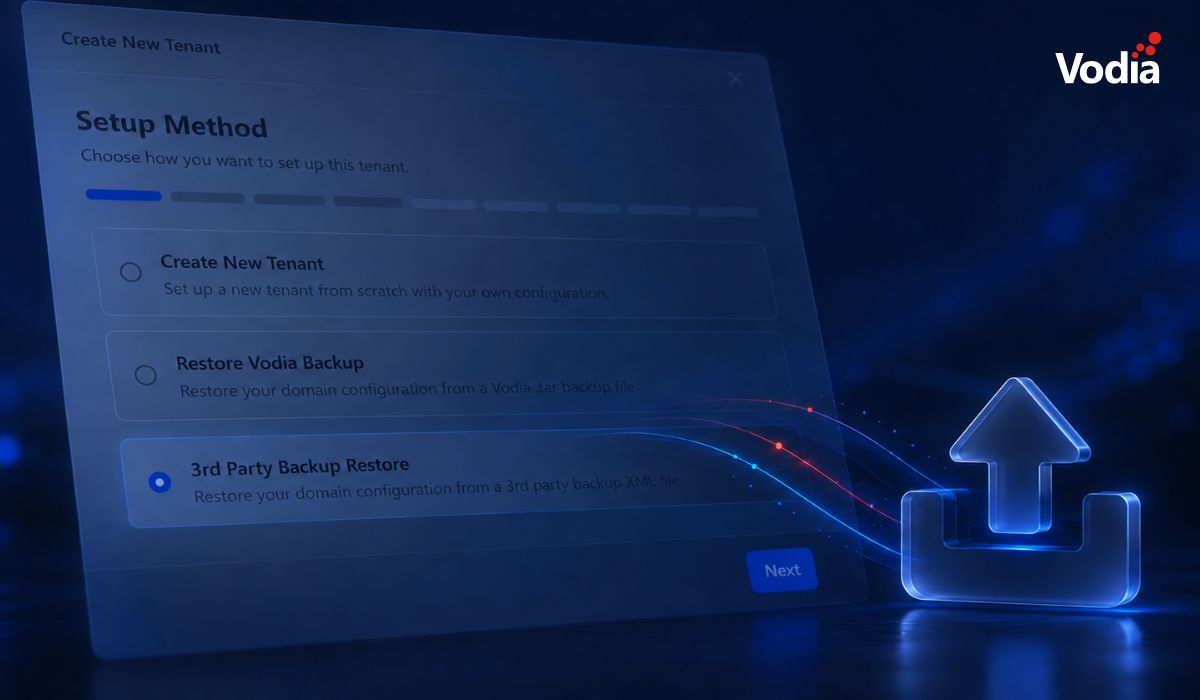
Switching phone systems doesn’t have to mean rebuilding everything from scratch. The Vodia PBX migration tool imports key configuration data from backups, including extensions, ring groups, queues, desk phones, and basic auto-attendant settings. Built into the Vodia Admin Portal, it guides administrators through the import process and reduces repetitive manual work, whether you’re moving 10 extensions or 1,000. Explore what transfers, what needs manual setup, and how the built-in tool reduces repetitive work when moving to Vodia.
Apps have changed how businesses communicate and work, but every digital experience still depends on physical hardware. From smartphones, desk phones, and headsets to networking equipment and cloud servers, reliable infrastructure supports productivity, security, and call quality. Here’s why hardware still matters in an app-first world and what businesses should consider when choosing dependable devices and secure connectivity for the office, hybrid teams, and remote work, while preparing for evolving technology.
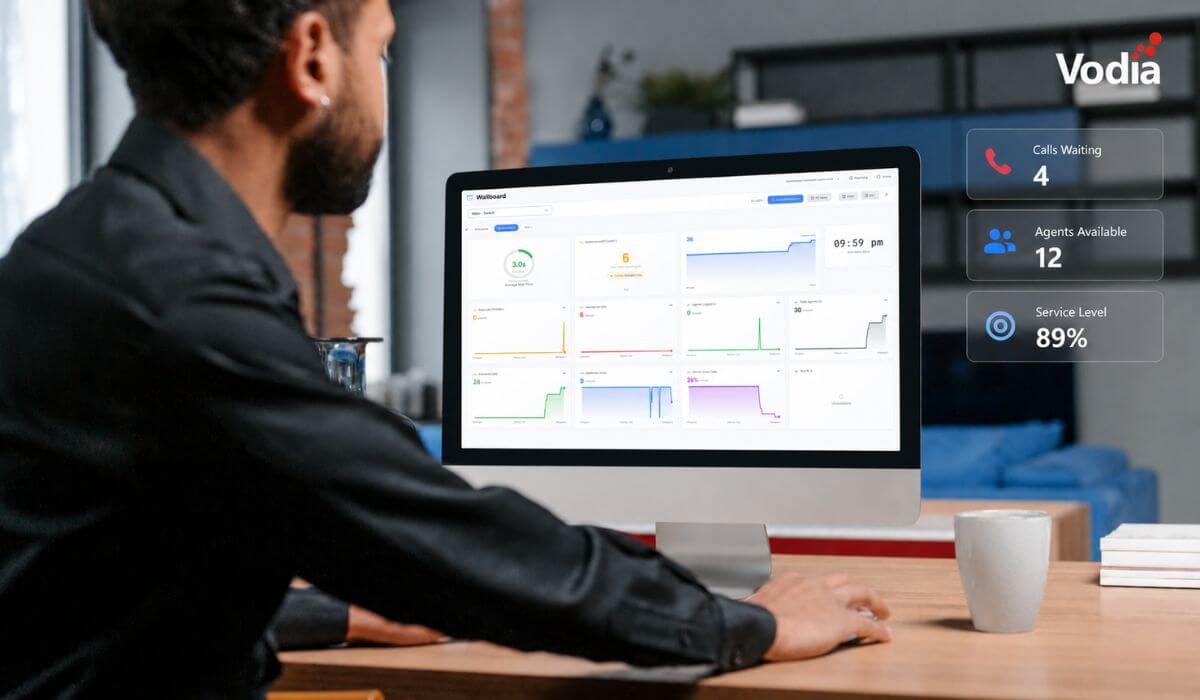
Vodia Wallboards gives supervisors, contact centers, service providers, and operations teams a self-hosted, real-time view of Vodia call queue activity. Monitor waiting, ringing, and active calls; agent availability; service levels; abandoned calls; and queue trends across one or more Vodia PBX systems. Start with a ready-made layout or build a custom wallboard using queue filters, live widgets, AI summaries, and alerts. Display the information your teams need in a browser, on an operations dashboard, or on a dedicated TV screen.
.svg)