Telecommuting with Vodia offers both flexibility and productivity advantages for employees and employers alike. Workers can enjoy freedom in managing their schedules and locations, leading to increased job satisfaction and efficiency, as distractions typical in office environments are reduced. Employers benefit from this rise in productivity, while Vodia's cloud-based PBX software ensures seamless virtual communication. The Vodia softphone, which is compatible with Windows, macOS, iOS, and Android, supports key UC features like call management, chat and presence tracking and chat. Vodia also integrates with major CRM platforms like Microsoft Teams and Zoho, making it a comprehensive solution for remote work.
There are many benefits to telecommuting. Telecommuting allows employees greater freedom regarding his or her work hours and work location; it gives them more flexibility to balance work and personal obligations. Working from home often makes employees more productive, because they don't have the distractions endemic to offices. There are also many benefits for employers: allowing workers to telecommute often makes them more productive, which benefits the company. With virtual communication traffic on the rise, Vodia is positioned to give enterprises and SMBs the best and most efficient PBX software in the cloud.
Vodia unified communication
The Vodia softphone supports all the features a desktop phone can handle.
Hunt group: Incoming calls will be distributed by stages to a group of local or remote users
Agent group: Incoming calls will be distributed systematically to a group of local or remote users
Vodia Windows Softphone
Download the Vodia softphone for your Windows machine. The VSC will use the laptop mic and speaker when making an outbound call or receiving an inbound call notification. You can also use a USB headset or Bluetooth device. You can monitor your colleague's presence if they're on a call or unavailable, and you can also chat with your peers if they're on a call. Download the Vodia Windows softphone.
Follow me find me
The Vodia phone system follows your workforce wherever it goes by using cell phones as a point of communication; users can receive incoming company calls, transfer, hold, conference a call and make outbound calls by calling into the phone system main number. Users will receive instructions from the phone system when he/she calls the company's main number. Caller ID can vary, as the domain administrator can program the phone system to use the user's caller ID "ANI" or the company's main phone number. To learn more about our DISA feature, visit us at https://doc.vodia.com/cellphone
Cell Overview Features
Receive company calls with caller ID
Call in to listen to voicemail
Place an outbound call
Join a calling campaign by using the callback list
Receive a call back from the phone system to make outbound calls.
Remote Desktop phones
Vodia already supports all the major SIP desktop manufacturers. Remote workers can easily power on their desktop device and plug in the CAT5 internet wire to connect to the internet, so the phone can program itself to the phone system.
Apps have changed how businesses communicate and work, but every digital experience still depends on physical hardware. From smartphones, desk phones, and headsets to networking equipment and cloud servers, reliable infrastructure supports productivity, security, and call quality. Here’s why hardware still matters in an app-first world and what businesses should consider when choosing dependable devices and secure connectivity for the office, hybrid teams, and remote work, while preparing for evolving technology.
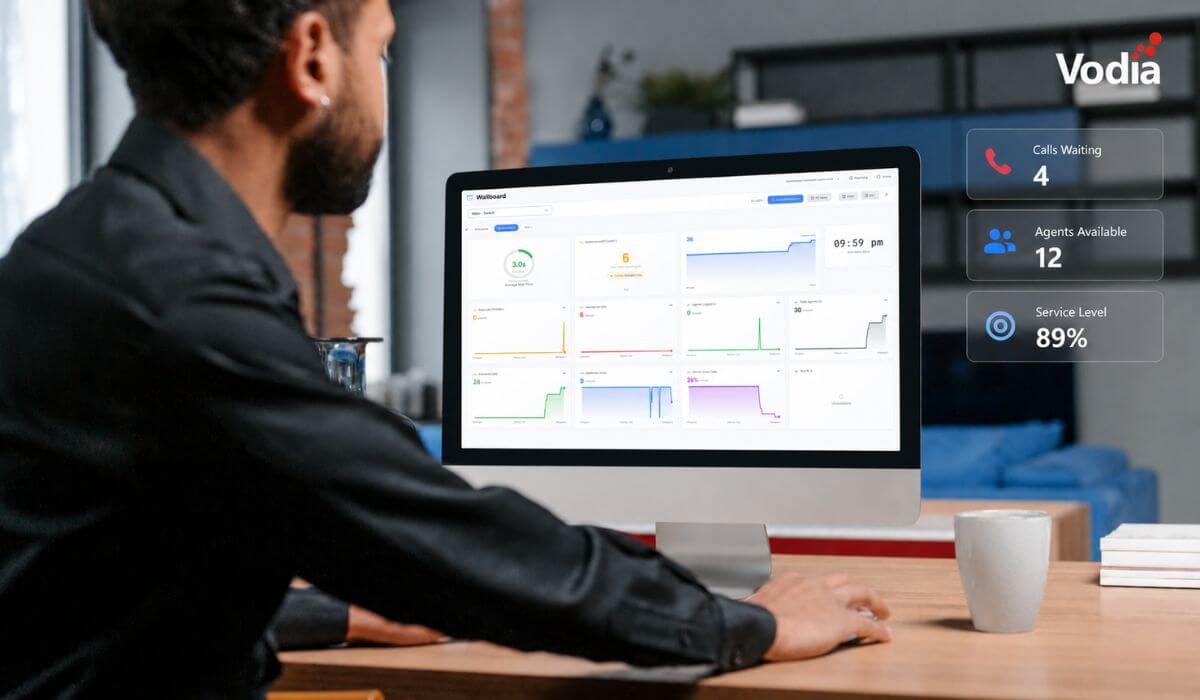
Vodia Wallboards gives supervisors, contact centers, service providers, and operations teams a self-hosted, real-time view of Vodia call queue activity. Monitor waiting, ringing, and active calls; agent availability; service levels; abandoned calls; and queue trends across one or more Vodia PBX systems. Start with a ready-made layout or build a custom wallboard using queue filters, live widgets, AI summaries, and alerts. Display the information your teams need in a browser, on an operations dashboard, or on a dedicated TV screen.
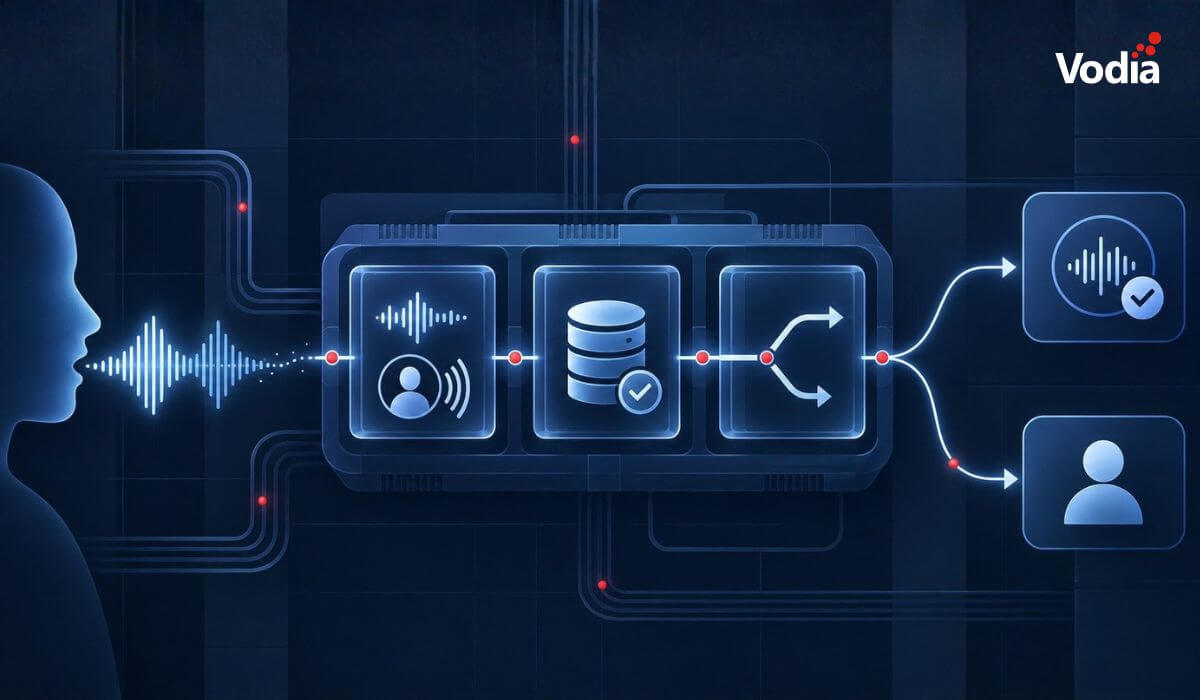
AI-powered calling gives businesses new ways to manage conversations, improve availability, and respond to callers more efficiently. It also introduces important questions about transparency, consent, privacy, data handling, and accountability. Organizations need clearly defined boundaries for what a Voice Agent may answer, which systems it can access, and when identity verification or human assistance is required. A thoughtful deployment balances automation with appropriate safeguards, helping businesses use conversational AI confidently while protecting callers and maintaining trust.
.svg)