The Vodia PBX is Now Certified for Microsoft Teams: The Technology Reseller News Podcast
Published on:
December 12, 2024
Vodia Networks announced the certification of its PBX for Microsoft Teams, enabling seamless integration that removes the need for an external Session Border Controller (SBC). This simplifies connections between Teams and VoIP devices, reducing complexity and costs while enhancing reliability. Highlighting the milestone on the Technology Reseller News Podcast, Vodia CEO Dr. Christian Stredicke shared how the certification expands opportunities in sectors like hospitality, education, and manufacturing, while giving Teams users access to advanced PBX features such as auto attendants and call routing.
Teams gives enterprises and SMBs an unparalleled suite of features for video communication and collaboration: using the Vodia PBX with Teams eliminates the need for an external Session Border Controller (SBC) between Teams and VoIP devices, improving reliability while reducing complexity and expense. The certification gives Teams users access to a full suite of robust PBX features, such as auto attendants, call routing, voicemail and more while providing secure voice services of the highest quality.
Further along in the podcast, Mr. Green and Dr. Stredicke discuss the robust functionalities the combination of the Vodia PBX with Teams brings to hospitality and to the public sector, including schools, and manufacturing.
Dr. Stredicke also mentions Microsoft’s ongoing market dominance, and how it’s important for Vodia to “bring something” to the ecosystem. “We’re making new things possible,” he says. “The certification gives you assurance this will actually work.”
Want to find out more about the Microsoft certification of our industry-leading PBX? Please get in touch with us, sales@vodia.com.
Vodia Networks, Inc. is a pioneering provider of B2B Cloud Communications Solutions catering to enterprises, contact centers and service providers. Vodia's PBX software boasts an extensive suite of business telephony features for on-premise and cloud-based systems and operates seamlessly across Windows, Linux or Mac platforms. Fully compliant with SIP industry standards, the Vodia phone system integrates effortlessly with a wide range of SIP-based devices and trunking providers, granting ultimate freedom in telephony. Vodia’s multi-tenancy platforms are compatible with an unprecedented number of technologies, including desk phones, softphones and APIs, for myriad third-party software and CRM systems. Our mission is to empower our partners and end-users with the world's best cloud PBX and personalized support to ensure their success at every turn. Our US headquarters are in Boston and our European headquarters are in Berlin; we also maintain offices in Beijing, Hong Kong, Nicosia (Cyprus) and Sydney, Australia. Visit Vodia on LinkedIn, X and YouTube.
Following a critical PHP security advisory affecting installations worldwide, we temporarily restricted public access to some of our backend services while carrying out necessary upgrades. Access has now been restored, and the affected services are operating normally. The Vodia PBX itself does not use PHP and was not directly affected. We explain what happened, the changes to legacy licensing and TLS support, and why customers running older PBX versions should contact us for upgrade guidance.
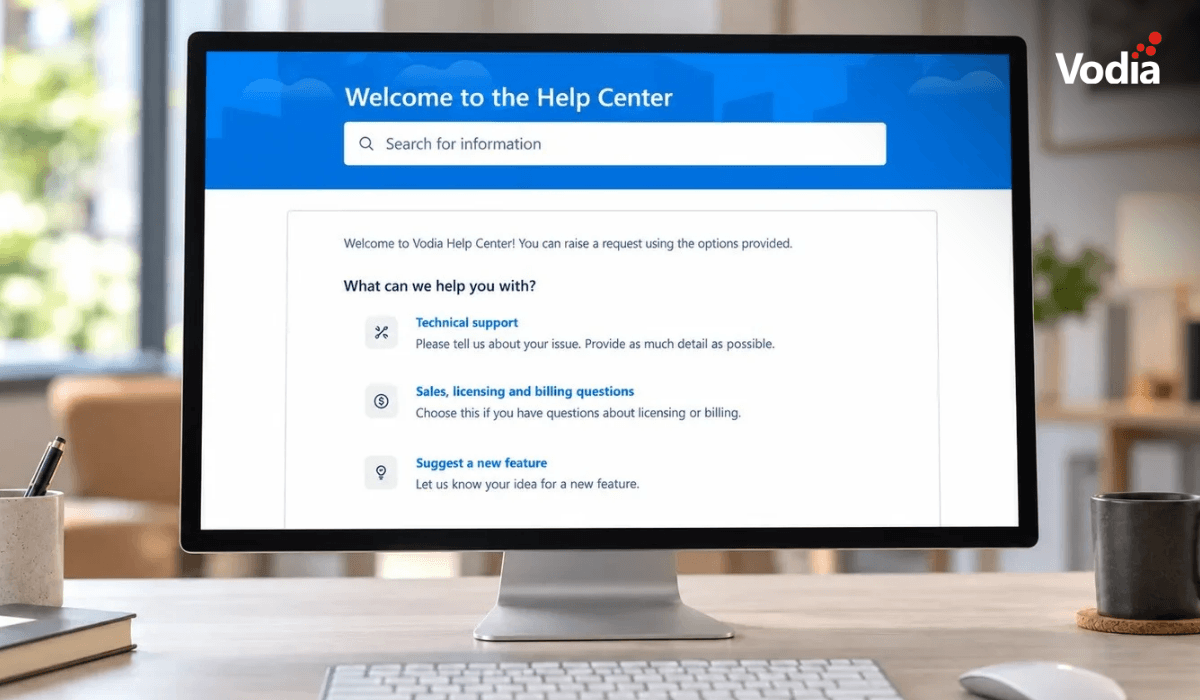
Submitting a support ticket with the right information helps our team understand your issue and reduces follow-up questions. This step-by-step guide walks you through the Vodia Help Center, from describing the problem and attaching diagnostic files to setting the business impact and providing your PBX details. You’ll also learn which call details and timestamps to include, alongside practical tips to keep troubleshooting focused and help our support team investigate your issue more efficiently.
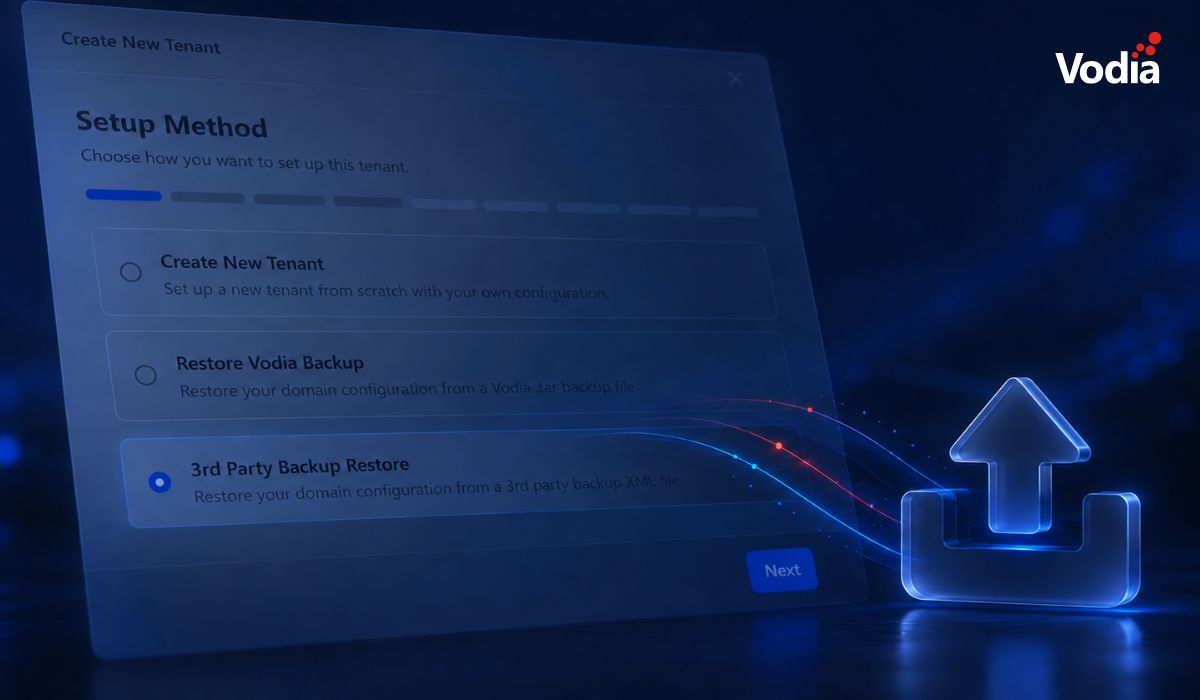
Switching phone systems doesn’t have to mean rebuilding everything from scratch. The Vodia PBX migration tool imports key configuration data from backups, including extensions, ring groups, queues, desk phones, and basic auto-attendant settings. Built into the Vodia Admin Portal, it guides administrators through the import process and reduces repetitive manual work, whether you’re moving 10 extensions or 1,000. Explore what transfers, what needs manual setup, and how the built-in tool reduces repetitive work when moving to Vodia.
.svg)