Vodia and Microsoft Teams: A Robust Integration for Business
Published on:
June 17, 2025
The integration between Vodia PBX and Microsoft Teams gives businesses a seamless way to combine powerful SIP-based telephony with modern collaboration tools. With advanced call control, a built-in Session Border Controller (SBC), and extensive customization options, the Vodia PBX enables organizations to manage both Teams and SIP users within a single, secure, and flexible system. This hybrid architecture allows companies to tailor their communications infrastructure to match their specific operational needs - whether across departments, locations, or user roles.
Microsoft has certified the Vodia PBX for use with Teams, a significant milestone for Vodia, where we have been committed to creating the most innovative business communications solutions available anywhere. The certification broadens the scope of applications for our industry-leading phone system and gives our channel partners the ability to provide the best in unified communications and collaboration solutions to their customers.
Teams gives enterprises and SMBs an unrivaled set of features for communication - when it comes to collaboration and productivity, it’s a necessary and powerful tool. Any organization using Teams can now combine Teams with the Vodia PBX and benefit from Vodia’s rich suite of B2B communications features.
The Vodia and Teams proposition is a robust integration for businesses that need both traditional SIP-based telephony and modern collaboration tools. Here’s a breakdown of the key features and advantages of this solution:
Full Call Control
Vodia serves as the core PBX system within the Teams ecosystem, managing telephony functions such as call queues, ring groups call redirection and call recording.
The Vodia PBX also includes an integrated Session Border Controller (SBC), a critical component for establishing voice calls via Microsoft Teams - it’s responsible for protecting and managing the flow of IP communication.
Seamless Teams and SIP Integration
Not all users at an enterprise or SMB need to be on Teams, and this is what sets this solution apart: the Vodia PBX enables smooth operation between Teams users and SIP users in the same environment, without disruptions in call flow or quality.
This hybrid ecosystem enables companies to manage both SIP and Teams users within the same telephony infrastructure, reducing complexity and cost for businesses that want to limit the use of Teams to certain departments, individuals or offices.
Security and Customization
Vodia places emphasis on built-in security features, ensuring safe, secure communication without compromising quality.
The system offers easy-to-apply customizations such as white-labeling, call routing logic and AI-driven enhancements like text-to-speech announcements. These enhancements can be implemented without advanced technical skills, so businesses can tailor the solution to their unique needs.
Enhanced Teams Collaboration
Vodia users can leverage Teams collaboration tools - chat, meetings, file sharing, etc. - while leveraging all of the advanced telephony capabilities of the Vodia PBX.
The integration of Vodia’s best-in-class phone system with teams gives users the best of both worlds - the efficiency and productivity of working with Teams combined with the cutting-edge telephony features that make Vodia the preferred PBX of more than half-a-million users worldwide. The Vodia - Teams integration gives any organization a flexible, secure and customizable communication solution, allowing for the “mix-and-match” of SIP and Teams users without sacrificing functionality or voice quality. It's ideal for companies looking to streamline both traditional and modern communication tools into a single, cohesive system.
Following a critical PHP security advisory affecting installations worldwide, we temporarily restricted public access to some of our backend services while carrying out necessary upgrades. Access has now been restored, and the affected services are operating normally. The Vodia PBX itself does not use PHP and was not directly affected. We explain what happened, the changes to legacy licensing and TLS support, and why customers running older PBX versions should contact us for upgrade guidance.
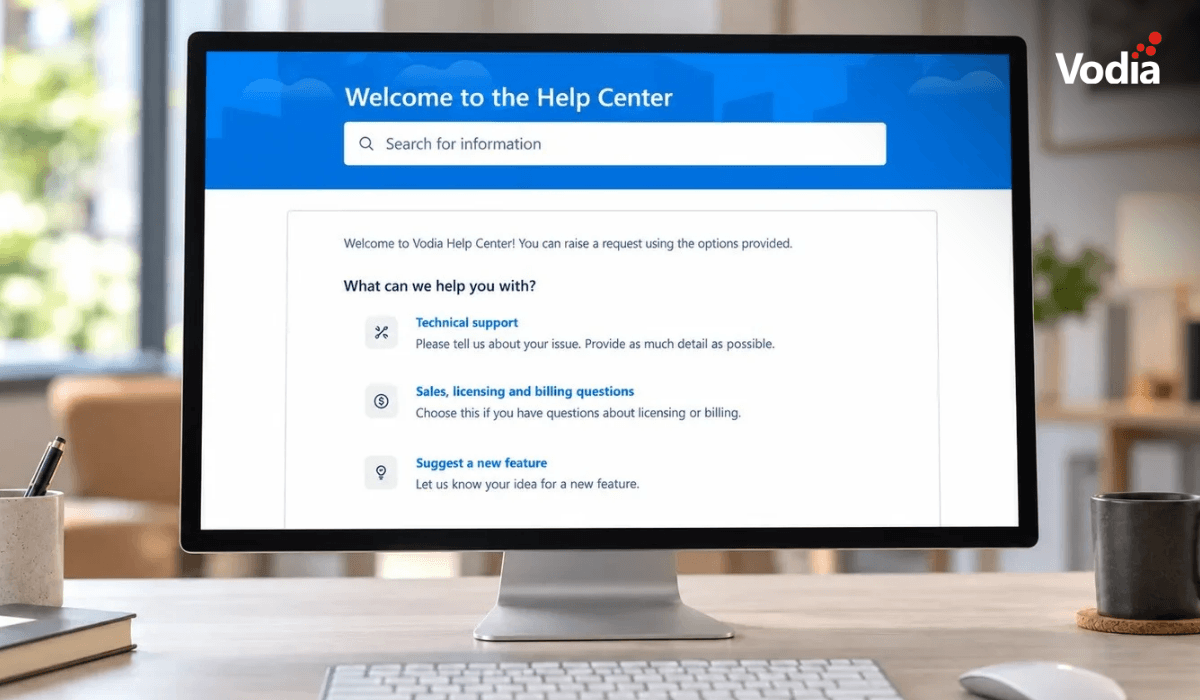
Submitting a support ticket with the right information helps our team understand your issue and reduces follow-up questions. This step-by-step guide walks you through the Vodia Help Center, from describing the problem and attaching diagnostic files to setting the business impact and providing your PBX details. You’ll also learn which call details and timestamps to include, alongside practical tips to keep troubleshooting focused and help our support team investigate your issue more efficiently.
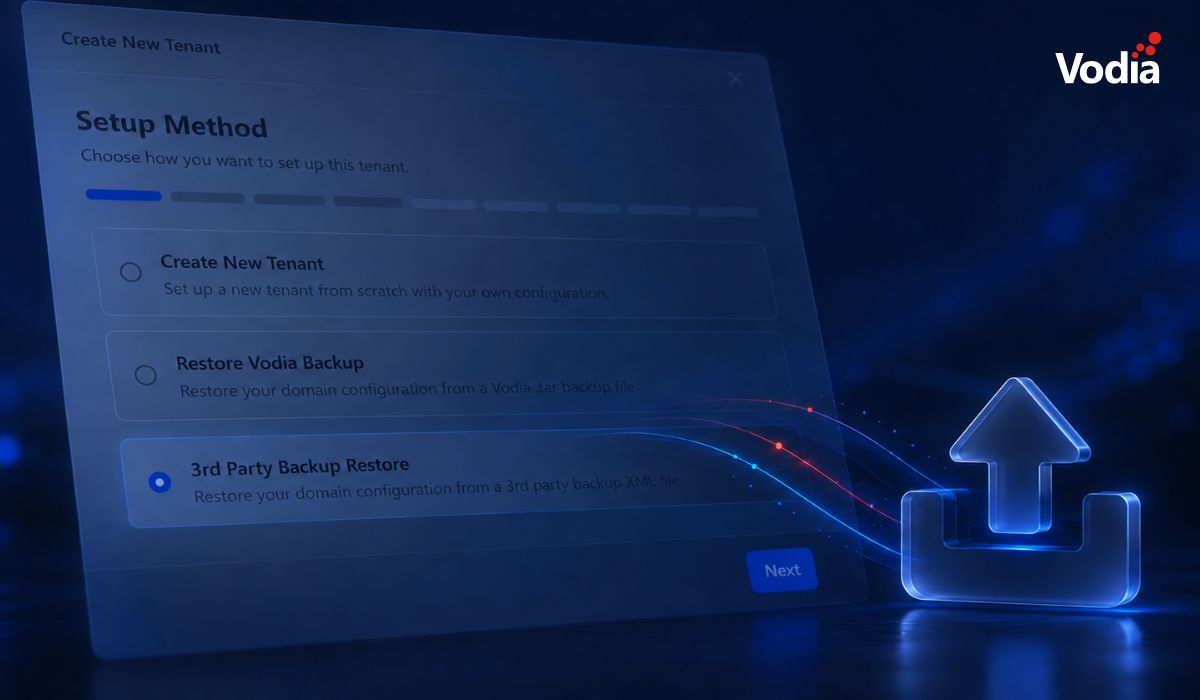
Switching phone systems doesn’t have to mean rebuilding everything from scratch. The Vodia PBX migration tool imports key configuration data from backups, including extensions, ring groups, queues, desk phones, and basic auto-attendant settings. Built into the Vodia Admin Portal, it guides administrators through the import process and reduces repetitive manual work, whether you’re moving 10 extensions or 1,000. Explore what transfers, what needs manual setup, and how the built-in tool reduces repetitive work when moving to Vodia.
.svg)