How the Vodia PBX is a catalyst for helping people all over the world telecommute to work
Published on:
March 18, 2020
There are many benefits to telecommuting. Telecommuting allows a worker greater freedom regarding his or her work hours and work location. It gives the employee more flexibility to balance work and personal obligations. Often, working from home can make you more productive, because you do not have the distractions of office space. There are also many benefits to employers. Allowing workers to telecommute often makes them more productive, which benefits the company. With virtual communication traffic on the rise, Vodia is positioned to pump out the best and most efficient PBX software in the cloud.
There are many benefits to telecommuting. Telecommuting allows a worker greater freedom regarding his or her work hours and work location. It gives the employee more flexibility to balance work and personal obligations. Often, working from home can make you more productive, because you do not have the distractions of office space. There are also many benefits to employers. Allowing workers to telecommute often makes them more productive, which benefits the company. With virtual communication traffic on the rise, Vodia is positioned to pump out the best and most efficient PBX software in the cloud.
Vodia unified communication
The Vodia Softphone supports all the features,a desktop phone can handle.
Hunt group: Incoming calls will be distributed by stages to a group of local or remote users
Agent group: Incoming calls will be distributed systematically to a group of local or remote users
Vodia Windows Softphone
Download the Vodia softphone for your Windows machine, The VSC will use the laptop mic and speaker when making an outbound call or receiving an inbound call notification. You can also use a USB headset or Bluetooth device. You can monitor your colleague’s presence if they’re on a call or unavailable, you can also chat with your peers if they’re on a call. Download the Vodia Windows softphone.
Follow me find me
The Vodia Phone system follows your workforce where they go, by using the cell phone as a point of communication, your users can receive incoming company calls, transfer, hold, conference a call as well as making an outbound call, by calling into the phone system main number. Users will receive instructions from the phone system when he/she calls the company’s main number. Caller ID can vary as the domain administrator can program the phone system to use the user’s caller ID “ANI” or the company’s main phone number. To learn more about our DISA feature visit us at https://doc.vodia.com/cellphone
Cell Overview Features
Receive company calls with caller ID
Call in to listen to voicemail
Place an outbound call
Join a calling campaign by using the callback list
Receive a call back from the phone system to make outbound calls.
Remote Desktop phones
Vodia already supports all the major SIP desktop manufacturers today. Remote workers can easily power on their desktop device and plug in the CAT5 internet wire, to connect to the internet so the phone can program itself to the phone system.
Following a critical PHP security advisory affecting installations worldwide, we temporarily restricted public access to some of our backend services while carrying out necessary upgrades. Access has now been restored, and the affected services are operating normally. The Vodia PBX itself does not use PHP and was not directly affected. We explain what happened, the changes to legacy licensing and TLS support, and why customers running older PBX versions should contact us for upgrade guidance.
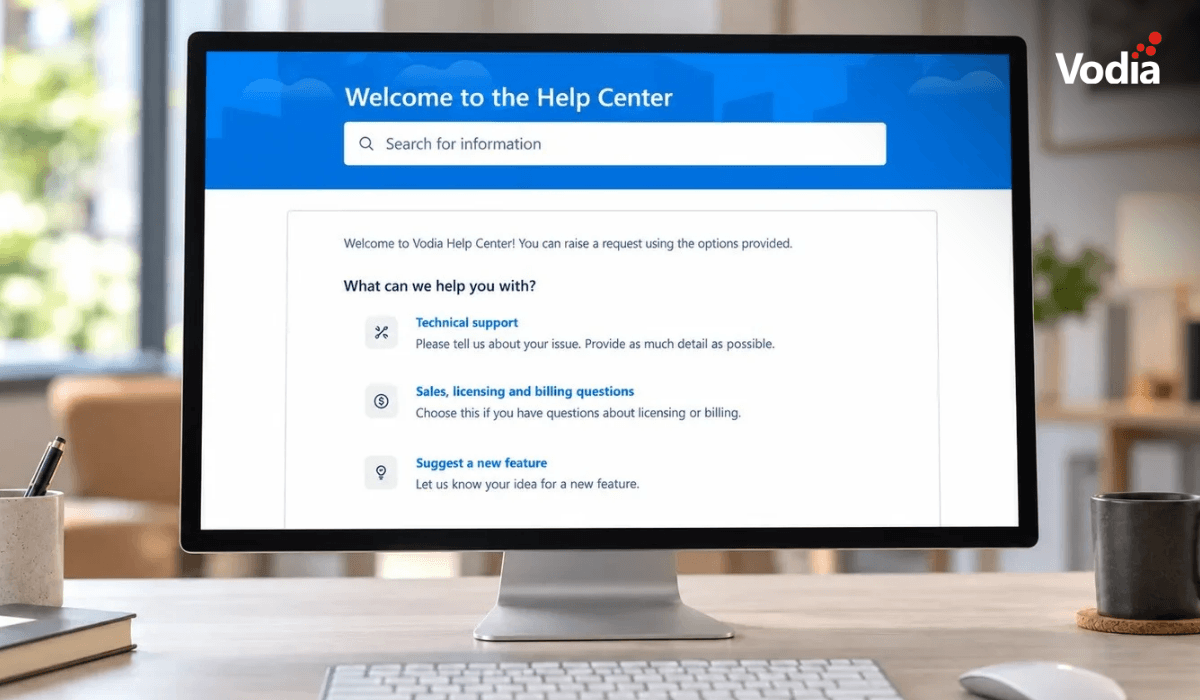
Submitting a support ticket with the right information helps our team understand your issue and reduces follow-up questions. This step-by-step guide walks you through the Vodia Help Center, from describing the problem and attaching diagnostic files to setting the business impact and providing your PBX details. You’ll also learn which call details and timestamps to include, alongside practical tips to keep troubleshooting focused and help our support team investigate your issue more efficiently.
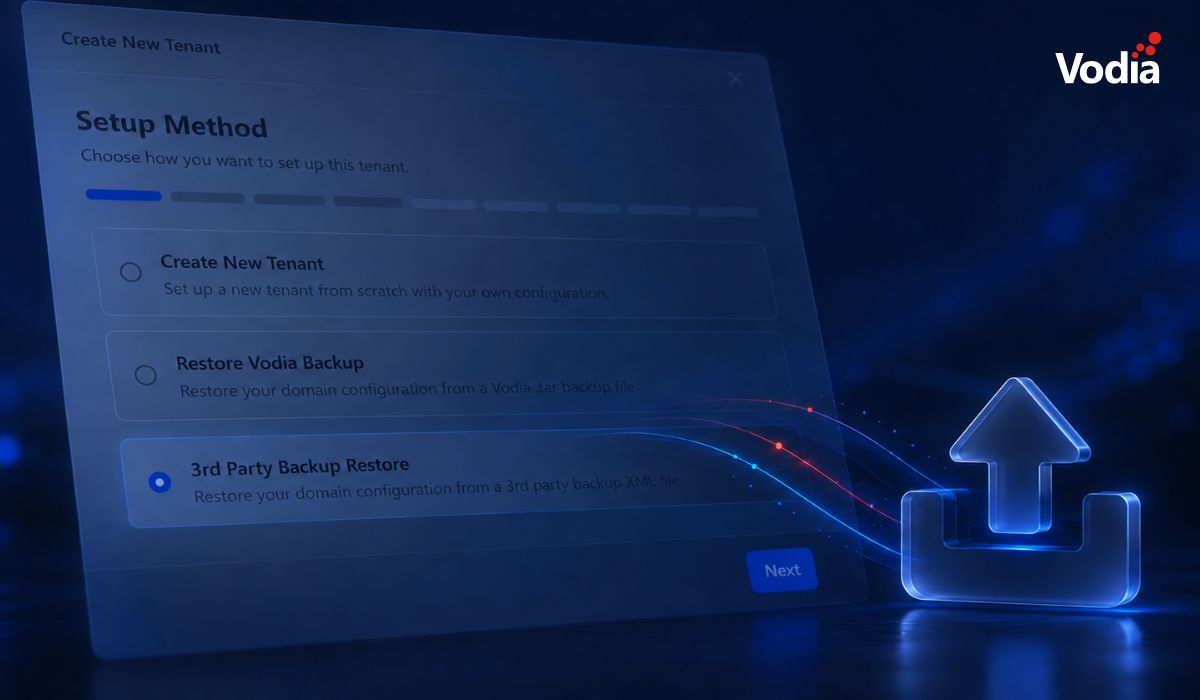
Switching phone systems doesn’t have to mean rebuilding everything from scratch. The Vodia PBX migration tool imports key configuration data from backups, including extensions, ring groups, queues, desk phones, and basic auto-attendant settings. Built into the Vodia Admin Portal, it guides administrators through the import process and reduces repetitive manual work, whether you’re moving 10 extensions or 1,000. Explore what transfers, what needs manual setup, and how the built-in tool reduces repetitive work when moving to Vodia.
.svg)