The Vodia PBX integrates with the Google Translate API to transcribe voicemail recordings into text; this text is then included in voicemail notification emails. To enable this feature, you’ll need a Google Cloud account, along with an active Voice API subscription key - this can be created under “APIs & Services” in the Google Cloud Console. This API key, which should be restricted for security, is entered into the Vodia PBX system to activate transcription capabilities. For multi-tenant setups, voicemail transcription can be managed per domain or disabled for specific extensions, offering flexible control over API usage.
Google offers a powerful API for converting speech into text. The Vodia PBX is currently using this feature to convert voicemail recordings into text format; it includes that text in the voicemail notification, which is typically sent to the user by email. This API must be enabled in the Google Cloud Console.
After you have set up an account with Google Cloud, make sure you provide your credit card information so you can enable the Voice API. You will also have to create a project that holds the API key. You can do this in “APIs & Services” in the Dashboard area.
Activating Google Cloud Subscription Key
After you have created a project, you need to navigate to the “Credentials” area, where you can create new credentials for your project. You need to create a new API Key.
You should then restrict the key by some means (e.g., by limiting it to your server IP address) so nobody else can use that key unless it's used from that IP address.
Enable Voicemail Transcription in Vodia PBX
After you have set up your account on the Google console, copy the API Key into the PBX in admin mode, General/Settings/Notifications. There you can also determine if domains should have the feature enabled or not, unless you set it explicitly in the domain settings.
Multi-Tenant Scenario
In some cases, you would want to disable the Google API per extension. To disable, go the main page of your domain page and click on the edit button, scroll down to "Enable voicemail to text API" and switch it to off.
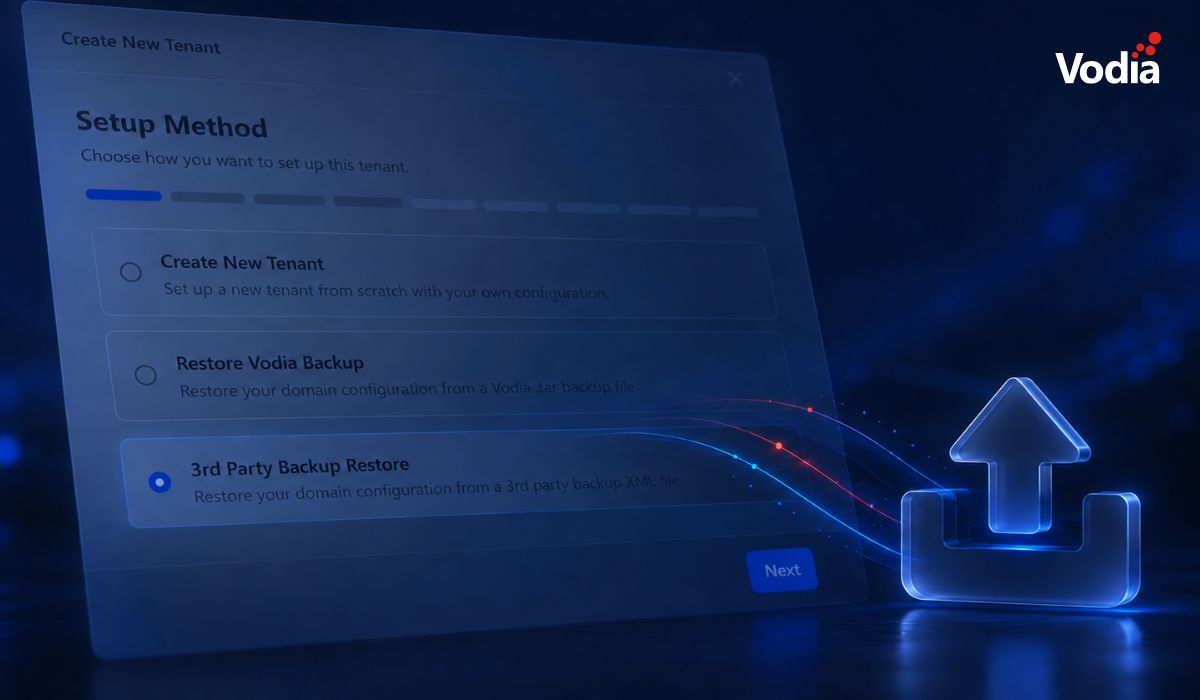
Switching phone systems doesn’t have to mean rebuilding everything from scratch. The Vodia PBX migration tool imports key configuration data from backups, including extensions, ring groups, queues, desk phones, and basic auto-attendant settings. Built into the Vodia Admin Portal, it guides administrators through the import process and reduces repetitive manual work, whether you’re moving 10 extensions or 1,000. Explore what transfers, what needs manual setup, and how the built-in tool reduces repetitive work when moving to Vodia.
Apps have changed how businesses communicate and work, but every digital experience still depends on physical hardware. From smartphones, desk phones, and headsets to networking equipment and cloud servers, reliable infrastructure supports productivity, security, and call quality. Here’s why hardware still matters in an app-first world and what businesses should consider when choosing dependable devices and secure connectivity for the office, hybrid teams, and remote work, while preparing for evolving technology.
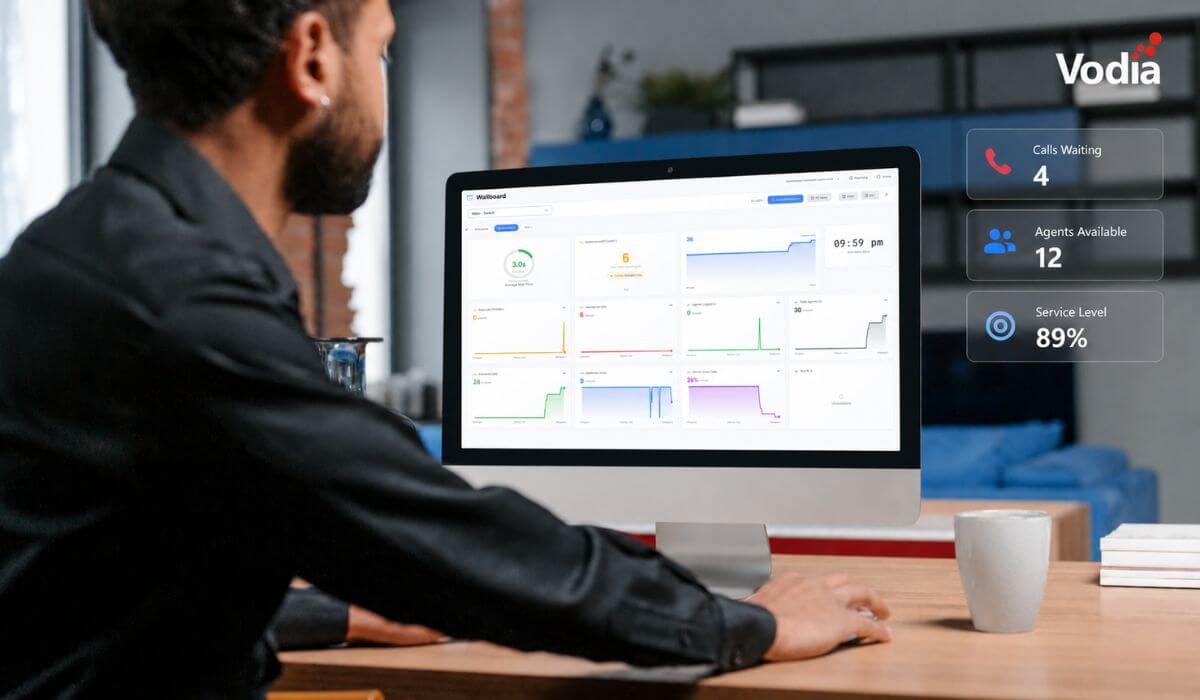
Vodia Wallboards gives supervisors, contact centers, service providers, and operations teams a self-hosted, real-time view of Vodia call queue activity. Monitor waiting, ringing, and active calls; agent availability; service levels; abandoned calls; and queue trends across one or more Vodia PBX systems. Start with a ready-made layout or build a custom wallboard using queue filters, live widgets, AI summaries, and alerts. Display the information your teams need in a browser, on an operations dashboard, or on a dedicated TV screen.
.svg)