Avaya SIP phone J1 Series plug and play with Vodia
Published on:
September 10, 2021
Provisioning the Avaya J179 with the Vodia phone system involves a straightforward process that enhances communication efficiency. By integrating the Avaya J179, businesses benefit from reliable performance and easy access to advanced telephony features. The process allows for customization and flexibility in configuration, ensuring the phone aligns with specific organizational needs. As businesses increasingly rely on unified communication solutions, using Avaya J179 with Vodia provides a robust framework for managing calls, enhancing collaboration and improving overall productivity, fostering a seamless connection between team members and clients alike.
Avaya J179 series phone can be provisioned to the Vodia phone system in the following deployment scenarios:
DHCP Option 66
Manual Provisioning
Peering up the Avaya J1 series phone to the Vodia extension
We will enter Avaya Phones' MAC address into the Vodia phone system. To add the MAC address to the extension simply navigate to "All Account" Extensions and then choose an extension with you which you want to pair the Avaya phone. Next, click on "Provisioning"
Below you can add the Avaya MAC address by copy-pasting into the MAC address box, or you can press the plus button + Add button, then you can enter your Avaya MAC address, manufacture and your desktop model.
This method creates a button template for the phone automatically, which you can also modify. Here's documentation on buttons
Here are the steps to provision the Avaya J179 with the Vodia phone system.
Avaya provisioning via the phone's display settings
To log into the unit, you will need to press "NO" to "Auto-provisioning now" when the phone is operational
Press Admin and enter the Administrator code 27238
Choose "IP Configuration" Scroll down to "Servers"
Enter the IP address of the Vodia PBX or the DNS of the PBX. Yu can choose between HTTPS or HTTP
The phone will reboot and provision to the phone system
Avaya Web Interface provisioning
Enter the Avaya J1 IP address
User: admin Password: 27238
You will be presented with another page to enter a new password for the device (below).
Avaya J179 Web server
Navigate to IPv4 Configuration (Ethernet)
Under HTTPS or HTTP you can enter your Vodia phone system DNS
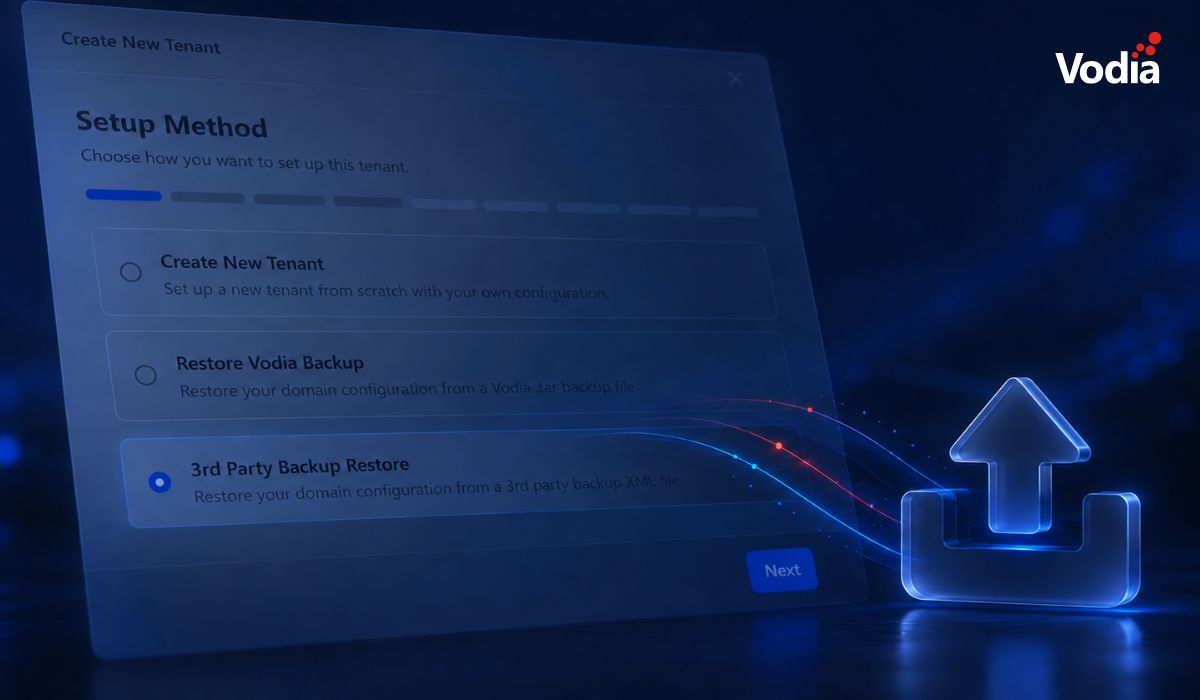
Switching phone systems doesn’t have to mean rebuilding everything from scratch. The Vodia PBX migration tool imports key configuration data from backups, including extensions, ring groups, queues, desk phones, and basic auto-attendant settings. Built into the Vodia Admin Portal, it guides administrators through the import process and reduces repetitive manual work, whether you’re moving 10 extensions or 1,000. Explore what transfers, what needs manual setup, and how the built-in tool reduces repetitive work when moving to Vodia.
Apps have changed how businesses communicate and work, but every digital experience still depends on physical hardware. From smartphones, desk phones, and headsets to networking equipment and cloud servers, reliable infrastructure supports productivity, security, and call quality. Here’s why hardware still matters in an app-first world and what businesses should consider when choosing dependable devices and secure connectivity for the office, hybrid teams, and remote work, while preparing for evolving technology.
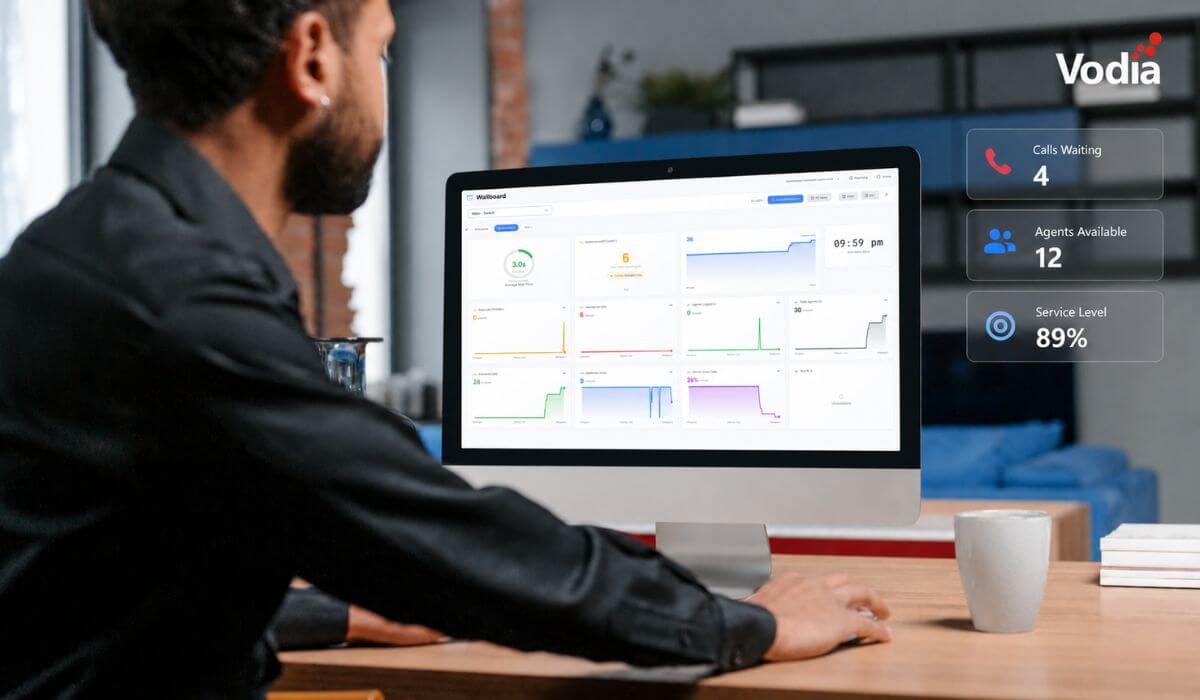
Vodia Wallboards gives supervisors, contact centers, service providers, and operations teams a self-hosted, real-time view of Vodia call queue activity. Monitor waiting, ringing, and active calls; agent availability; service levels; abandoned calls; and queue trends across one or more Vodia PBX systems. Start with a ready-made layout or build a custom wallboard using queue filters, live widgets, AI summaries, and alerts. Display the information your teams need in a browser, on an operations dashboard, or on a dedicated TV screen.
.svg)