AT&T IP Flexible Reach is a SIP trunking service that provides integrated access for both IP and TDM PBX environments. It consolidates voice and data services, simplifying operations and potentially reducing costs. When paired with the Vodia IOP PBX, this integration allows seamless management of SIP trunks, including features like fax over email or connecting traditional fax devices with an FXS adapter. To configure, you’ll need the IP Flex service with "SIP handoff" for direct SIP call routing. With Vodia's SIP trunk template, setting up AT&T Flexible Reach is streamlined, matching DID numbers to extensions or hunt groups by default, making it ideal for businesses seeking reliability and ease of use.
AT&T IP Flexible Reach is a Session Initiation Protocol (SIP) trunking service that delivers integrated access for IP PBX, TDM PBX or Key System environments. It provides potential total cost benefits through the consolidation of voice and data – one provider, single transport and management options.
You can easily configure these services with the Vodia IOP PBX server and provide dial tone to all your SIP desktop phones. You can connect fax using an FXS SIP device, or let the Vodia IOP PBX deliver the fax straight to your customer via email.
When ordering the SIP service, it's important you get the IP Flex service with “SIP handoff” - this means inbound and outbound phone calls will be delivered directly via SIP and not over analog lines or PRI.
Flexible Reach SIP Trunk is now part of the Vodia SIP Trunk template. Once you have configured AT&T, log in to your Vodia IOP device, navigate to your domain and scroll down to Trunks. Click create and select AT&T.
Enter the AT&T’s IP Flexible Reach
Name: AT&T
Enter the AT&T’s IP Flexible Reach IP address in the Domain
By default, Vodia will send any incoming call to the DID number programmed to its respective extension, hunt group, ring group or IVR account (e.g., Auto-Attendant) and distribute that inbound call to a specific account when the caller presses a digit to make a choice. The Vodia AT&T template does a good job of matching the correct DID number by default, which makes it a great option for integrators looking for an easy, reliable solution.
Following a critical PHP security advisory affecting installations worldwide, we temporarily restricted public access to some of our backend services while carrying out necessary upgrades. Access has now been restored, and the affected services are operating normally. The Vodia PBX itself does not use PHP and was not directly affected. We explain what happened, the changes to legacy licensing and TLS support, and why customers running older PBX versions should contact us for upgrade guidance.
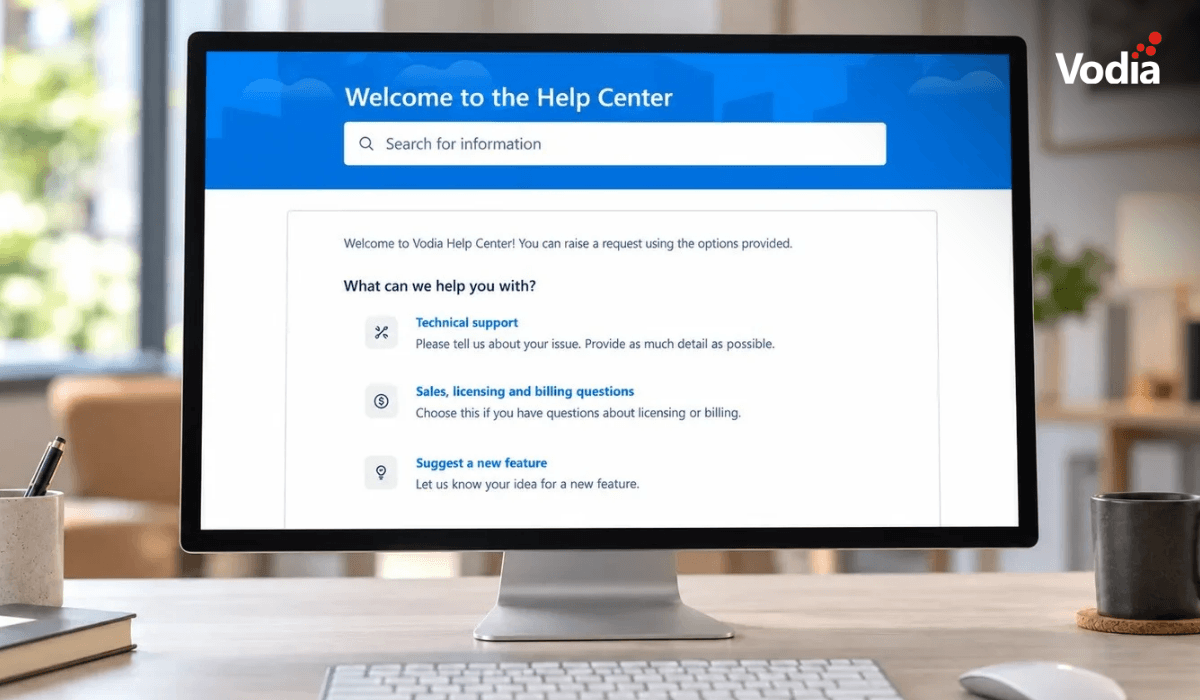
Submitting a support ticket with the right information helps our team understand your issue and reduces follow-up questions. This step-by-step guide walks you through the Vodia Help Center, from describing the problem and attaching diagnostic files to setting the business impact and providing your PBX details. You’ll also learn which call details and timestamps to include, alongside practical tips to keep troubleshooting focused and help our support team investigate your issue more efficiently.
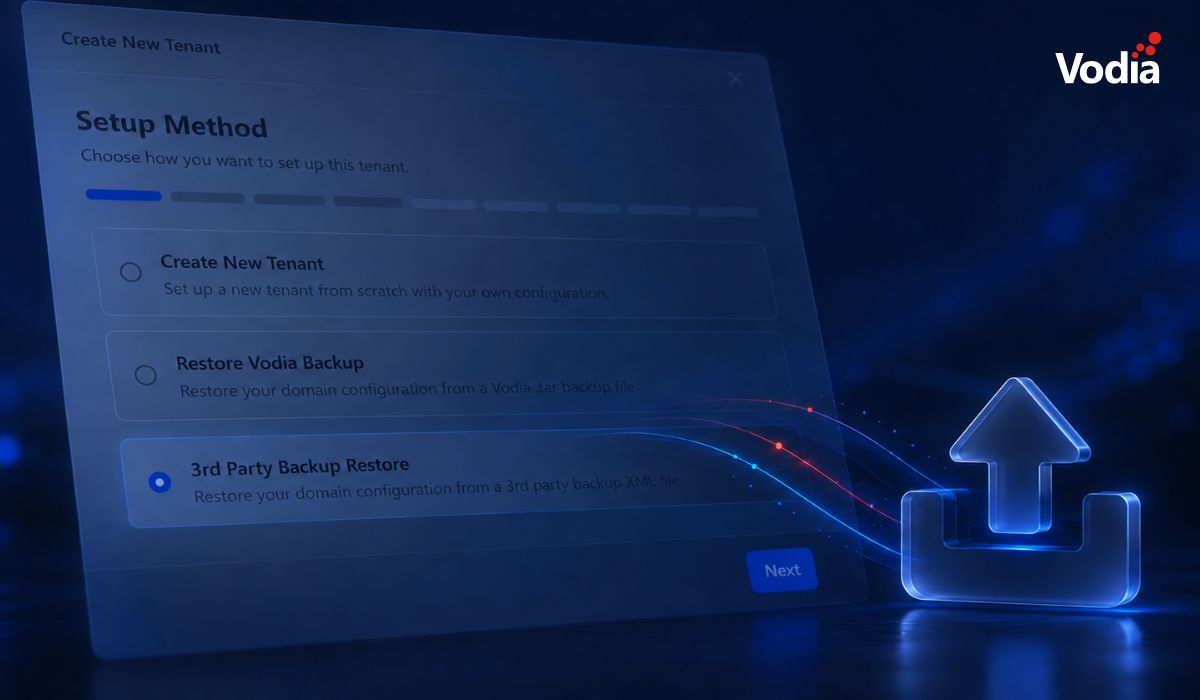
Switching phone systems doesn’t have to mean rebuilding everything from scratch. The Vodia PBX migration tool imports key configuration data from backups, including extensions, ring groups, queues, desk phones, and basic auto-attendant settings. Built into the Vodia Admin Portal, it guides administrators through the import process and reduces repetitive manual work, whether you’re moving 10 extensions or 1,000. Explore what transfers, what needs manual setup, and how the built-in tool reduces repetitive work when moving to Vodia.
.svg)



.png)