2025 was the first year of AI, unprecedented robustness, and setting the foundation for what comes next at Vodia.
Season’s Greetings! The Vodia team and I hope this finds you well, and that you’ve had a productive and profitable 2025. It was a year with a number of important changes.
Generative AI is for sure the biggest change we saw this year. We added an API that can be used to talk with a robot, and we have some customers who are starting to use it, but overall, we’ve seen that partners don’t want to frustrate callers with prototype AI models. This is totally fine - roll out what works, and continue experimenting with what doesn’t yet work so well. This measured approach allows us to adopt AI where it genuinely improves the caller experience, without compromising reliability or trust.
The version 69 build frequency is slowing down. We introduced a lot of new and exciting features in 69, and 69.5.18 has reached a level of unprecedented robustness for running a PBX in the cloud. This allows us to move new and exciting features into a new branch, version 70.
We have quietly worked behind the scenes to lay the groundwork for the next major step forward. Version 70 is around the corner. We released a preview build a few weeks ago, so anyone who’s interested can take a peek. It comes with a new administrator front end that takes the experience into the next phase of the platform. I’m happy to say the feedback on the administrative front end was unanimously positive, and we are on track for the full release of version 70.
Beyond the new interface, version 70 brings a number of architectural improvements focused on scalability, resilience, and operational flexibility:
- With version 70, it’s now possible to use multiple cores for the media processing itself. This dramatically increases the number of calls you can manage on a single server, which makes it so you can host a lot more tenants on the same system.
- We also moved the compiler to a newer operating system. This will require some work when you have very old Linux servers. We will write more about this in the upgrade notes.
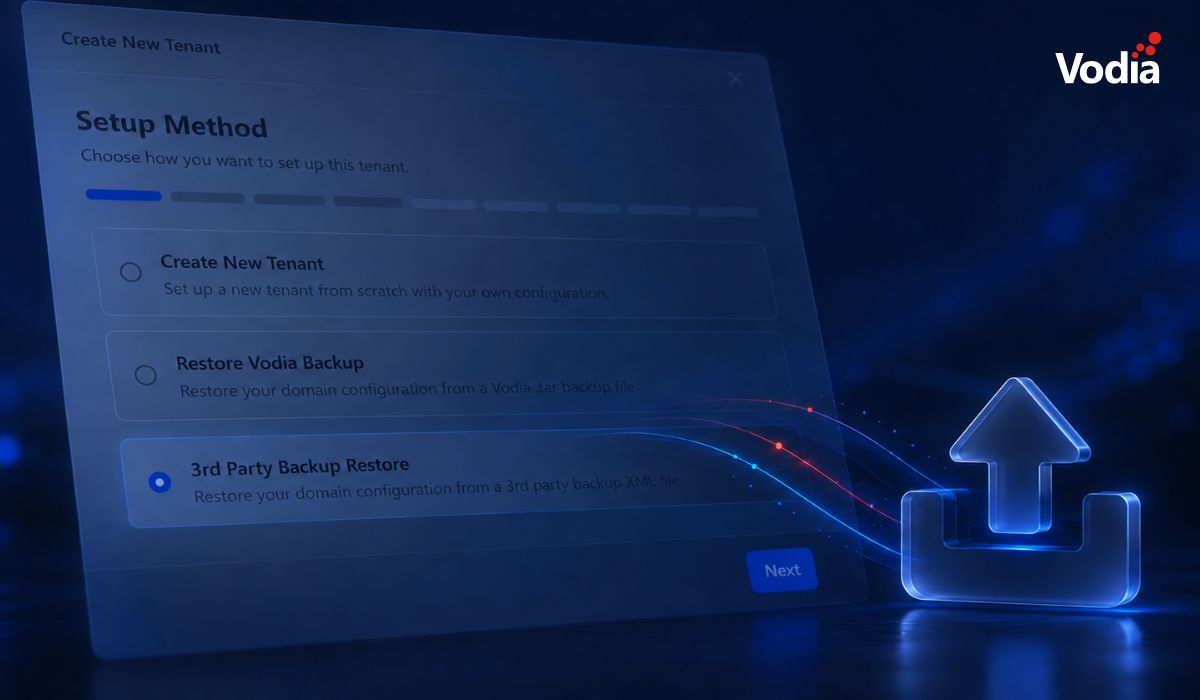
- We added a simple way to take snapshots from the administrator interface. This should help prevent situations when something goes wrong and there’s no backup available.
- You can now publish the presence state from one tenant into another tenant through a REST API, similar to the presence status publishing mechanism in Teams. This makes geographic distribution of branch offices easier and reduces the need to put all offices into one tenant.
In 2026 we will revisit our mobile apps, especially iOS - we plan to embrace the new glass design and simplify the handling of multiple calls within the app. The amount of available content for the desktop user front end has outgrown the original layout, so we will rearrange the elements and make them easier to use. Together, these changes are meant to keep the user experience aligned with how people actually work today, without adding unnecessary complexity.
As for the integrations, our list has grown significantly, and we continue to add more best-in-class CRM systems. We have added a new script-based subsystem for TCP/TLS-based PMS systems, and we will renovate this area in 2026 as well. Scripting with AI has become so powerful it’s now possible to integrate with the Vodia PBX, even without programming skills, via the REST API.
Finally, we’re actively working on a new partner portal, which will make it easier to manage licenses and access partner-specific content; once we’ve got it done, we will renovate the Vodia Partner Program portal and make it easier and faster to partner with us and deliver world-class telephony solutions to clients around the world.
Based on the work already underway, 2026 is shaping up to be another exciting year for Vodia.
I wish you all a Merry Christmas, Happy Hanukkah, Joyous Kwanzaa — and Happy Holidays!
.svg)