The Vodia-Teams NPM Integration Tool makes it easy for enterprises and SMBs to connect Vodia PBX with Microsoft Teams, enabling secure, seamless voice communication within Teams. Certified by Microsoft for direct routing, this tool automates extension mapping and phone number assignments across multi-tenant Microsoft 365 environments, allowing users to make and receive calls through the PBX via Teams. This integration opens new possibilities in industries like hospitality, healthcare, and education by unifying voice services, supporting door phones, paging, and flexible call routing — all managed centrally for simplicity and scalability.
We are pleased to announce Vodia PBX users can now integrate our industry-standard phone system with Microsoft Teams using the Vodia-Teams NPM (Node Package Manager) tool, a purpose-built command-line utility developed by Vodia to simplify and accelerate the Teams direct routing setup process.
In November 2024 we announced the Microsoft certification of our PBX for use with Teams. Vodia is now part of an elite group of Teams-certified platforms that support direct routing; the certification brings an expanded scope of applications to our solutions.
The new Vodia-Teams NPM tool helps admins avoid the complexity of manual configuration by automating key steps including retrieving PBX extensions, mapping them to Teams user accounts, and assigning phone numbers, all while supporting multi-tenant Microsoft 365 environments.
What Does This Mean for You?
Now, by combining the Vodia PBX with Microsoft Teams, enterprises and SMBs can use Teams not just for meetings and messaging, but as a complete business phone system, offering secure, integrated voice services delivered via SIP trunks and devices registered to the PBX. Thanks to Vodia’s powerful feature set, Teams users can make and receive external phone calls directly through the PBX, just like any other VoIP extension.
Calls from Teams extensions are routed through the Vodia PBX to SIP trunks (for public telephony) or to other internal endpoints such as IP phones, analog gateways, mobile apps, or softphones. Incoming calls can also reach Teams users via their assigned PBX extensions. This flexible routing allows companies to unify their communication workflows and manage all voice traffic from a central system.
This opens up new opportunities across multiple industries:
In hospitality, front desk staff can call rooms using Teams, and guests can dial Teams-based staff from in-room phones.
In healthcare, manufacturing, and education, the integration supports door phones, paging systems, and emergency alerts, allowing seamless internal communication across diverse environments.
For remote or hybrid teams, it ensures that everyone — whether on Teams, mobile, or desk phone — stays connected through one consistent system.
Built for Simplicity and Scale
The Vodia-Teams NPM tool is designed for IT teams managing modern business environments. It supports automation at scale and works especially well for MSPs and multi-tenant deployments. Key capabilities include:
Pulling a list of extensions from a Vodia PBX tenant
Matching extensions with Microsoft 365 accounts via email
Automatically assigning numbers to users
Enabling direct routing without relying on third-party SBC services
Prerequisites for Setup
To ensure a successful deployment, you’ll need the following:
DNS Control: Ensure you have administrative control over the DNS records for the tenant's FQDN that will be enrolled as the SBC in Teams.
User Licensing: Verify all Teams users possess the necessary Microsoft licenses - this includes Microsoft Business Standard with the Teams Phone add-on or a Microsoft E5 license.
Usage Location: Confirm a location has been set for each Teams user during license assignment in Microsoft.
Microsoft Credentials: You must have global administrator credentials for the Microsoft tenant.
OS: To run the Vodia-Teams NPM tool, you will need an Ubuntu 24 server (Ubuntu 24.04.2 LTS).
Emails: To leverage the tool's automation capabilities, ensure the extension's email address matches the user's primary Microsoft username (UPN), then select option 4 (i.e., Map Vodia PBX extension numbers to Teams users? You'll need the server management address, admin credentials, and API enabled for the admin user) for phone number assignment.
A Smarter Way to Connect Teams and Voice
The Vodia-Teams NPM tool is a quick and secure way to leverage all of the benefits Vodia’s best-in-class PBX brings to any Teams ecosystem. Documentation is available here: https://doc.vodia.com/docs/vodia-teams-tool.
We want to remain at the vanguard of business communication, and innovation is core to our mission. We are constantly refining the Vodia PBX and adding features and functionalities to better serve our partners and their customers. Contact us at sales@vodia.com or call +1 (617) 861-3490 (United States), +61 2 7201 0788 (APAC), or +49 30 555 78749 (Europe).
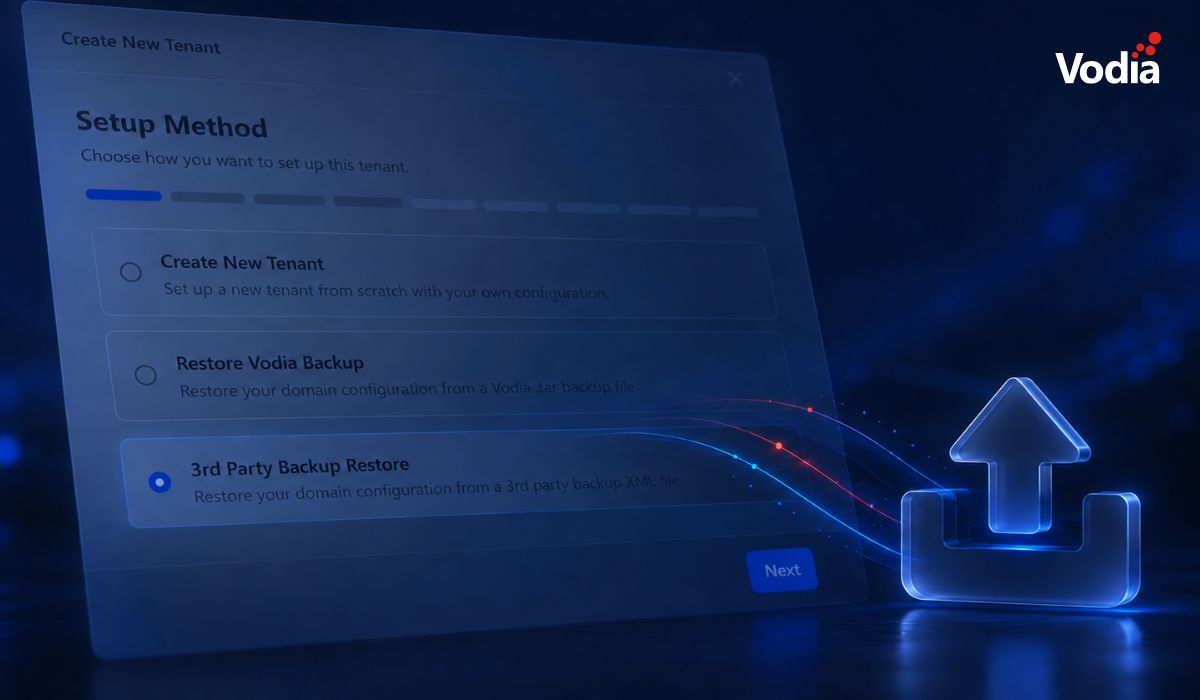
Switching phone systems doesn’t have to mean rebuilding everything from scratch. The Vodia PBX migration tool imports key configuration data from backups, including extensions, ring groups, queues, desk phones, and basic auto-attendant settings. Built into the Vodia Admin Portal, it guides administrators through the import process and reduces repetitive manual work, whether you’re moving 10 extensions or 1,000. Explore what transfers, what needs manual setup, and how the built-in tool reduces repetitive work when moving to Vodia.
Apps have changed how businesses communicate and work, but every digital experience still depends on physical hardware. From smartphones, desk phones, and headsets to networking equipment and cloud servers, reliable infrastructure supports productivity, security, and call quality. Here’s why hardware still matters in an app-first world and what businesses should consider when choosing dependable devices and secure connectivity for the office, hybrid teams, and remote work, while preparing for evolving technology.
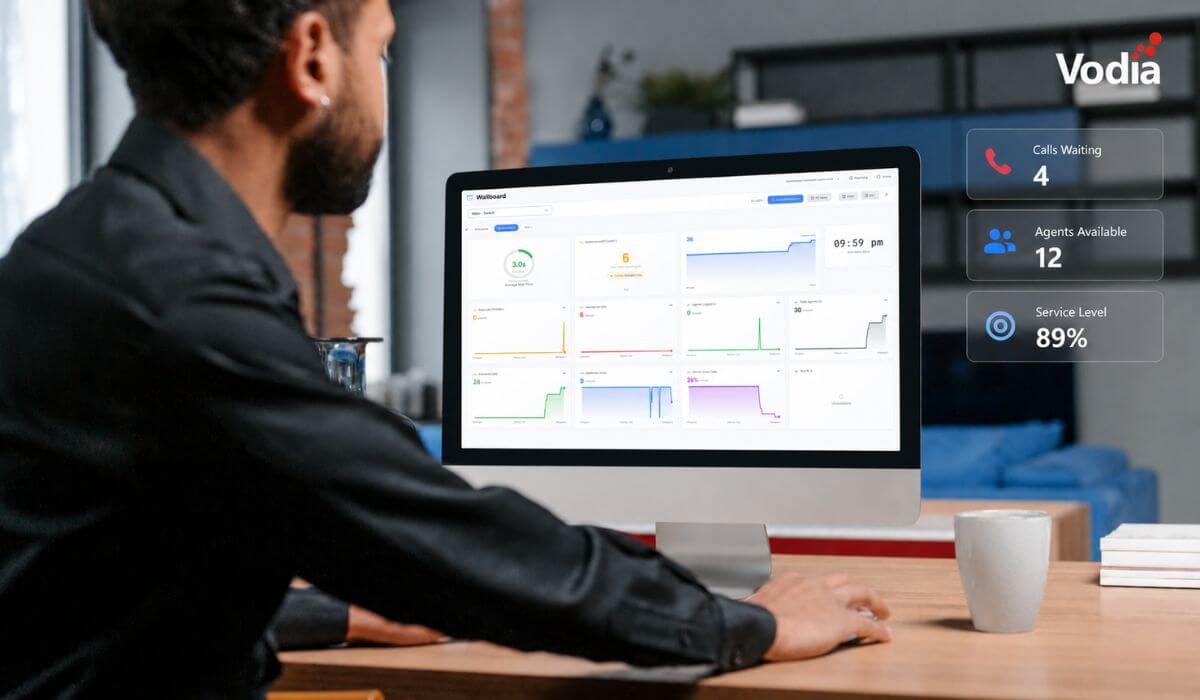
Vodia Wallboards gives supervisors, contact centers, service providers, and operations teams a self-hosted, real-time view of Vodia call queue activity. Monitor waiting, ringing, and active calls; agent availability; service levels; abandoned calls; and queue trends across one or more Vodia PBX systems. Start with a ready-made layout or build a custom wallboard using queue filters, live widgets, AI summaries, and alerts. Display the information your teams need in a browser, on an operations dashboard, or on a dedicated TV screen.
.svg)