snom phones are highly customizable and work seamlessly with the Vodia phone system, making deployment simple. In certain cases, however, like configuring the internal directory on a line key, special settings may be needed. To achieve this, Vodia's snom mode allows users to define and provision settings for snom phones. For example, by using the keyevent F_ADR_BOOK, you can assign a line key for the internal directory. After saving, Vodia will automatically push the new configuration to the phone, eliminating the need for manual reboots.
snom phones are great units to work with. They are very customizable and easy to plug and play with the Vodia phone system. Sometimes, however, the technician deploying the Vodia system with snom phones faces a few challenges.
Here's a scenario:
The customer wants the internal directory feature of the phone on one of the line keys. To check which feature you would like to use, see the list in Key+Events to identify the provisioning value.
snom Mode
Vodia has developed the snom mode: here you will be able to define any setting you would like on the user buttons and provision those values on the snom phone.
When deploying your snom phone, make sure the phone is provisioned correctly. Check our docs on how to provision a snom phone.
Next, navigate to the user buttons and choose snom. You will need to enter the text below to inform the phone system this will be a key+event. You will need to choose your provisioning value.
In this case it will be key+eventF_ADR_BOOK - make sure you label your button so the user isn't confused. Save the setting. The Vodia phone system will push the new configuration to the phone, so there's no need to reboot the unit.
Following a critical PHP security advisory affecting installations worldwide, we temporarily restricted public access to some of our backend services while carrying out necessary upgrades. Access has now been restored, and the affected services are operating normally. The Vodia PBX itself does not use PHP and was not directly affected. We explain what happened, the changes to legacy licensing and TLS support, and why customers running older PBX versions should contact us for upgrade guidance.
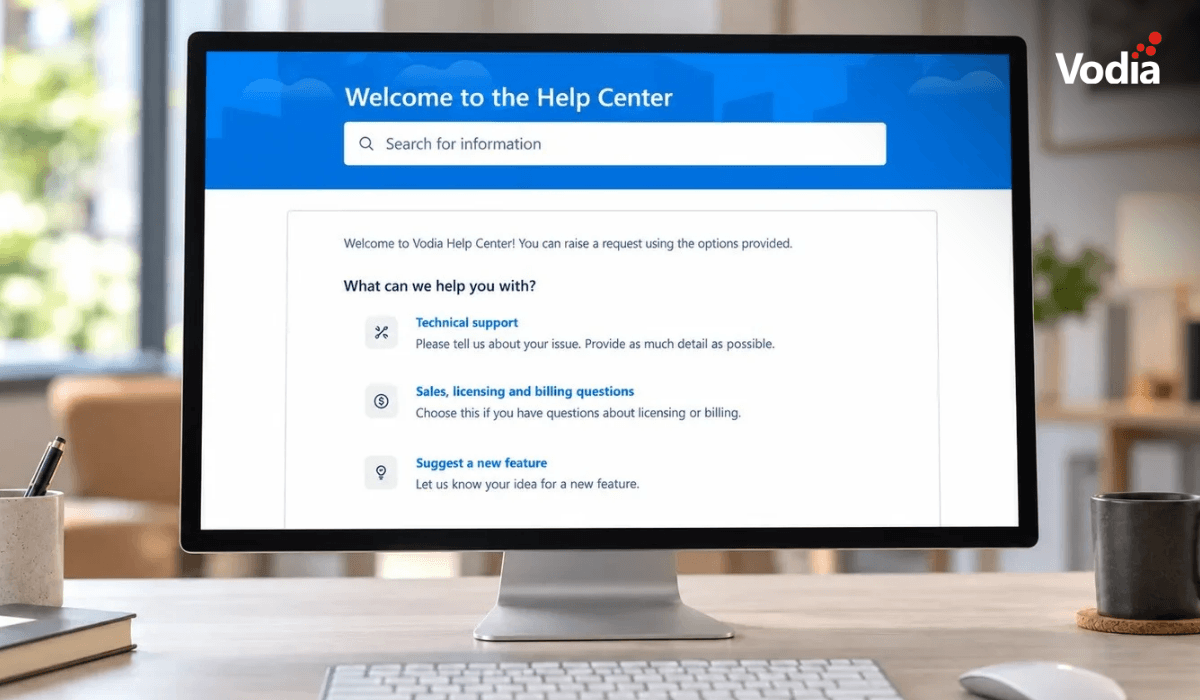
Submitting a support ticket with the right information helps our team understand your issue and reduces follow-up questions. This step-by-step guide walks you through the Vodia Help Center, from describing the problem and attaching diagnostic files to setting the business impact and providing your PBX details. You’ll also learn which call details and timestamps to include, alongside practical tips to keep troubleshooting focused and help our support team investigate your issue more efficiently.
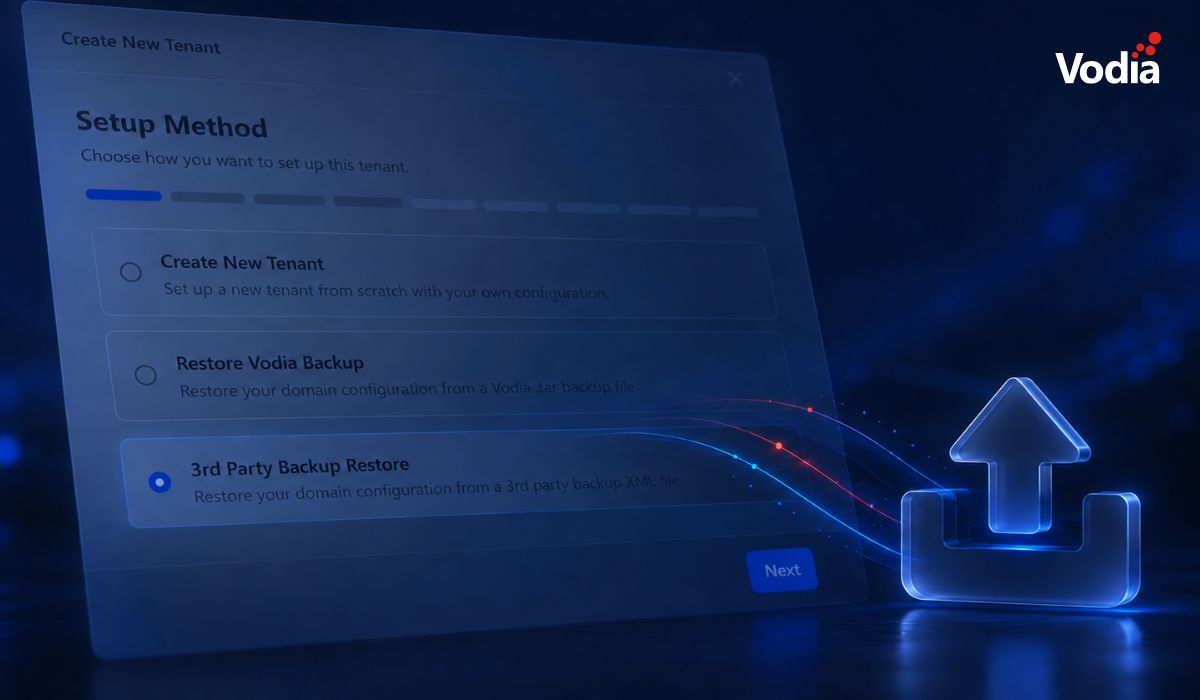
Switching phone systems doesn’t have to mean rebuilding everything from scratch. The Vodia PBX migration tool imports key configuration data from backups, including extensions, ring groups, queues, desk phones, and basic auto-attendant settings. Built into the Vodia Admin Portal, it guides administrators through the import process and reduces repetitive manual work, whether you’re moving 10 extensions or 1,000. Explore what transfers, what needs manual setup, and how the built-in tool reduces repetitive work when moving to Vodia.
.svg)